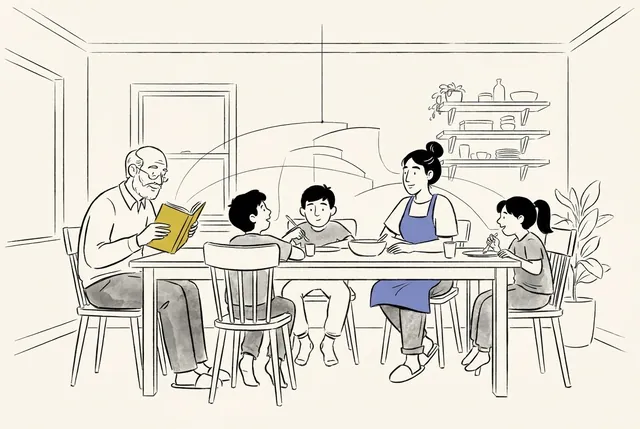
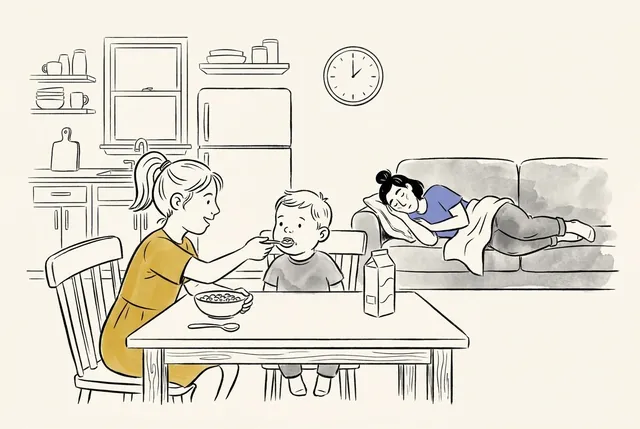
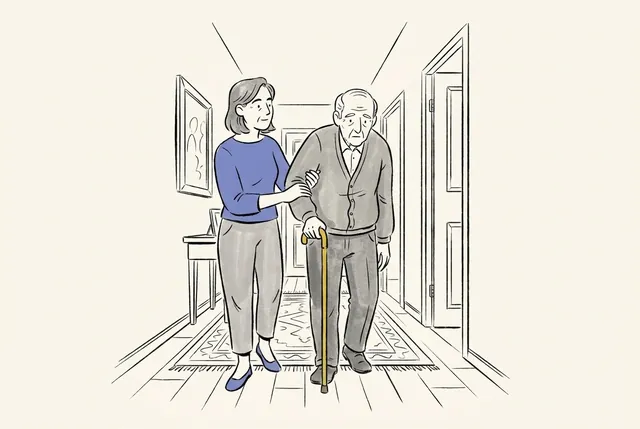
How do grandparents help grandkids, and where should you draw the line?
Grandparents can be a lifeline for kids and parents. Learn what research shows about their role in children’s well-being and how to set healthy boundaries.
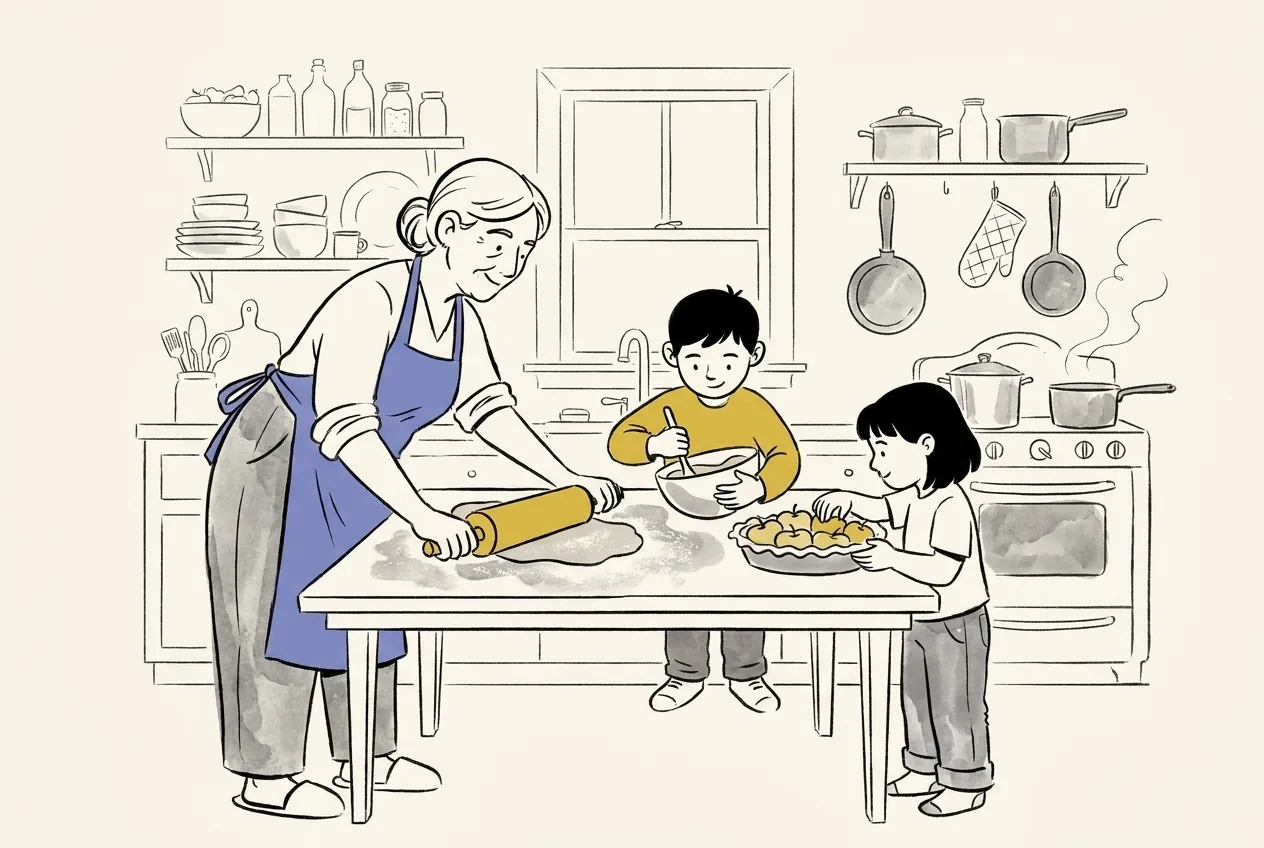
Involved grandparents benefit children: research links their engagement with fewer emotional problems and better social behavior in teens, especially in single-parent and stepfamilies. Historically, the presence of grandmothers even improved child survival. The key for a healthy three-generation relationship is support that respects the parents’ role and boundaries.
- Across history and cultures, grandmothers’ help has improved children’s chances.
- Teens with involved grandparents tend to have fewer emotional and behavioral problems.
- Clear, respectful boundaries keep the relationship warm instead of tense.
Grandparents babysit, pick kids up from school, bake cookies and slip a few dollars into birthday cards. But their role is bigger than treats and backup childcare.
What does history tell us about grandmothers and kids?
Rebecca Sear and Ruth Mace reviewed studies on how relatives affect children’s survival across many societies 1. In many populations, the presence of a maternal grandmother improved children’s chances of survival. Grandmothers helped with food, childcare and knowledge — freeing mothers to work and recover between pregnancies.
How do involved grandparents affect kids today?
Shalhevet Attar-Schwartz and colleagues surveyed about 1,500 adolescents 2. Teens whose grandparents were more involved — talking with them about problems, helping with school, showing interest in their lives — had fewer emotional problems and more prosocial behavior. The link was especially strong in single-parent and stepfamilies, where grandparents can offer stability during big changes.
What do grandparents give their grandchildren?
- Another secure attachment. Another adult who loves the child unconditionally.
- Family history. Stories about where the family comes from build kids’ sense of identity.
- Relief for parents. Practical help reduces stress, which helps the whole family.
- Stability in hard times: divorce, illness, deployment, moving.
How do you set boundaries with grandparents?
Tension often comes from mixed roles: grandparents who help a lot may feel they have a say in everything.
- Parents make the big decisions. Grandparents can share experience, but the parents decide.
- Agree on a few key rules — safety, car seats, sleep, food allergies — and relax about the rest.
- Talk directly, not through the kids.
- Appreciate help and say thank you. Grandparents who feel valued are more open to boundaries.
- Watch for overload. Grandparents providing regular childcare can burn out too.
What if grandparents are raising their grandchildren?
Millions of American children live with or are raised by grandparents. If that’s your family, look for local kinship care programs through your state’s family services or by dialing 211 — support and benefits are often available.
Frequently asked questions
My parents undermine our rules. What can we do?
Talk calmly, away from the kids, about the few rules that really matter (safety, sleep, screens). Let small differences slide — grandparents’ house can be a little different.
Our kids’ grandparents live far away. Can they still be close?
Yes. Regular video calls, reading a bedtime story over FaceTime, letters and visits all build connection.
Sources
- SEAR, R., & MACE, R. (2008). Who keeps children alive? A review of the effects of kin on child survival. Evolution and Human Behavior, 29(1), 1–18. doi:10.1016/j.evolhumbehav.2007.10.001
- Attar-Schwartz, S., Tan, J., Buchanan, A., Flouri, E. та ін. (2009). Grandparenting and adolescent adjustment in two-parent biological, lone-parent, and step-families. Journal of Family Psychology, 23(1), 67–75. doi:10.1037/a0014383
Evidence-based · Human-centered · Practical — how we write and fact-check our articles.
This article is for educational purposes and does not replace advice from a licensed professional. We cite original research and update articles when new evidence appears. Spotted an error? Let us know — see our editorial policy.
If you or someone you love is in crisis, call or text 988 (Suicide & Crisis Lifeline). Veterans: dial 988, then press 1.