Military families
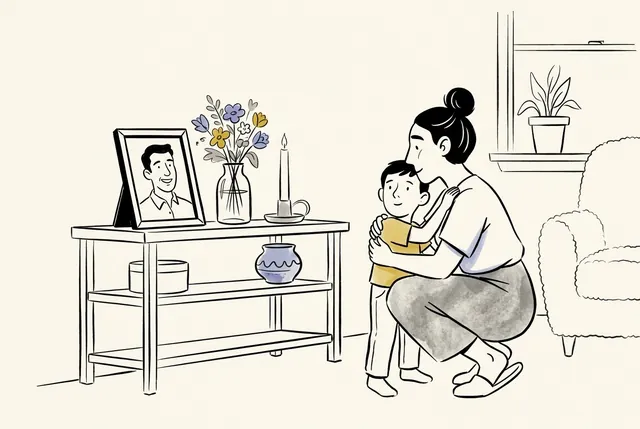
How do you help a child whose parent died in military service?
Losing a mom or dad in military service is a profound loss. Learn how children grieve, what research shows helps and where to find support, like TAPS.
Military service shapes the whole family — the spouse holding things together at home, the kids counting the days, the veteran finding a way back to civilian life. Here: what research shows about deployment, reintegration, trauma and grief, and where to find help.
Short guides to psychological ideas: what they mean, where they come from and what the research says.
Losing a mom or dad in military service is a profound loss. Learn how children grieve, what research shows helps and where to find support, like TAPS.
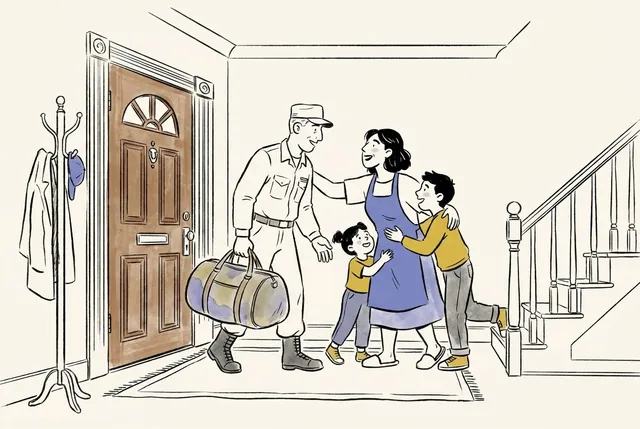
Homecoming is joyful — and the start of a hard adjustment. Learn what military families face after deployment, what helps and where to find counseling.
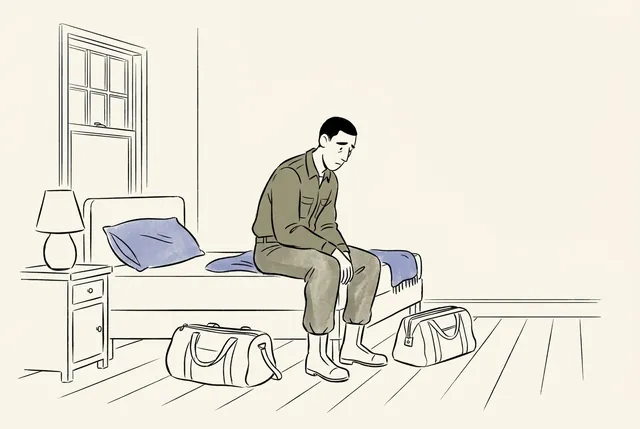
Guilt, shame and a broken sense of right and wrong after war. Learn what moral injury is, how it differs from PTSD and what helps veterans heal.

PTSD is treatable. Learn what research shows about Prolonged Exposure, CPT, EMDR and medication, where to get treatment and how families can help.
Living with someone who has PTSD takes a toll. Learn how secondary trauma affects military spouses and kids, the signs to watch for and where to get help.

Calls, video chats, messages, care packages. Learn what research shows about communication during deployment, plus practical tips for military couples.
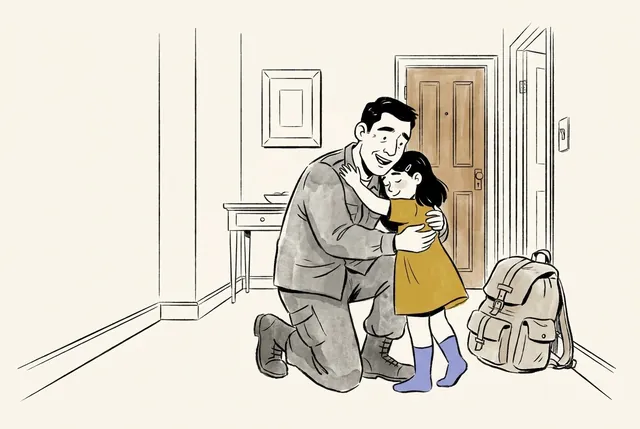
A parent’s deployment shakes a child’s world. Learn what research on military kids shows helps, how to talk about it at each age, and resources.
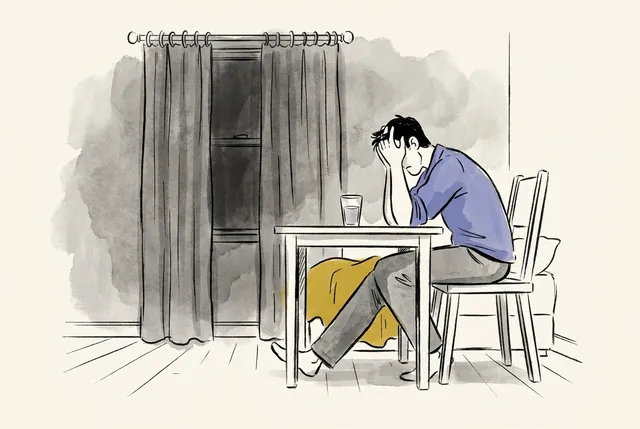
Headaches, memory problems, irritability. Learn what mild traumatic brain injury is, how service members recover and how families can help.
Combat deployment is linked to new heavy drinking, especially in younger troops and the Guard and Reserve. See the warning signs and how families can help.
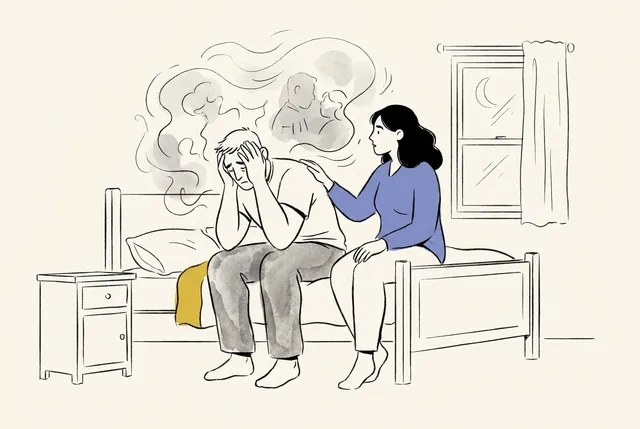
Nightmares, flashbacks, always on guard, pulling away. Learn the four groups of PTSD symptoms in veterans and others, how common it is and what helps.
In crisis? Call or text 988 (Suicide & Crisis Lifeline). Veterans and service members: dial 988, then press 1. More resources on our Get help now page.