Family
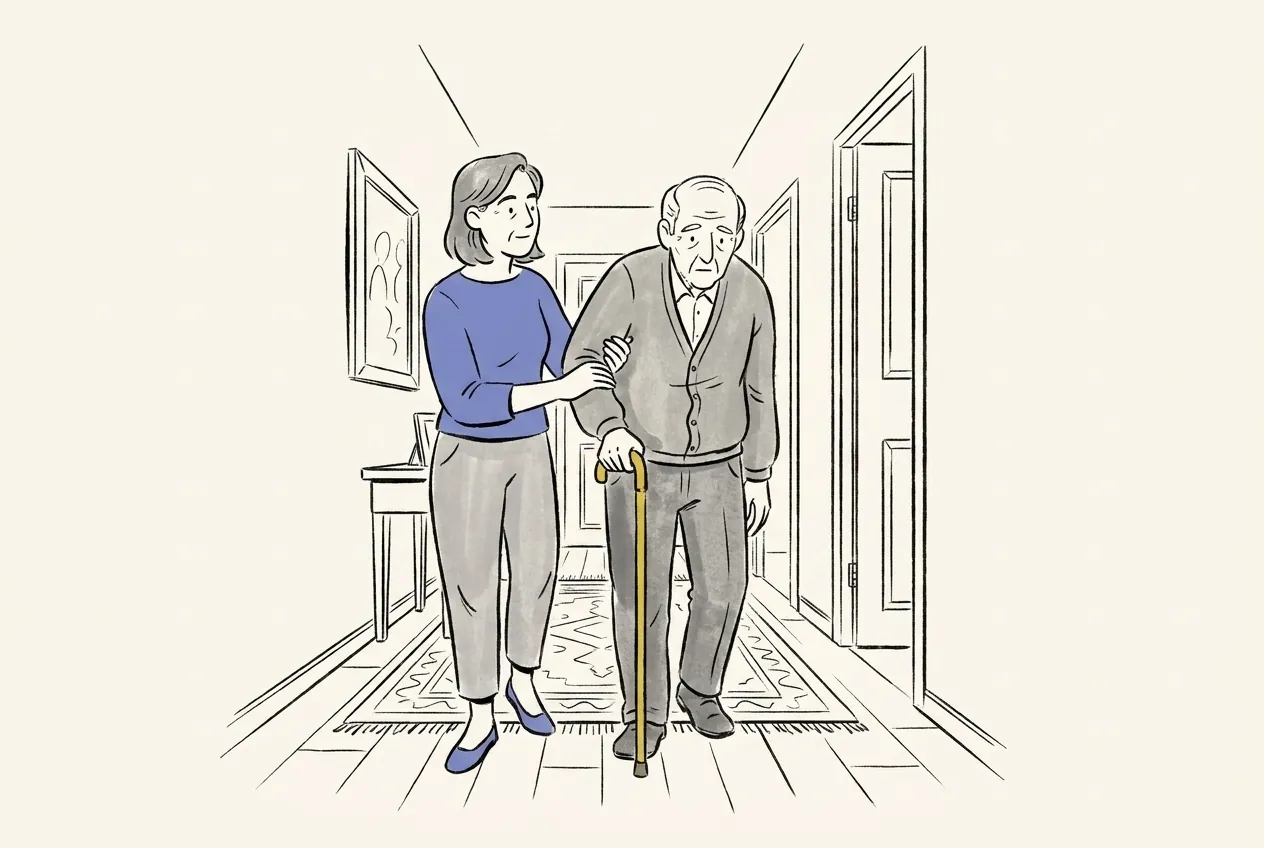
How do you deal with the stress of caring for elderly parents?
Feeling trapped caring for an aging parent? Learn what research says about caregiver stress, warning signs of burnout and where to find support in the US.
Feeling trapped caring for an aging parent? Learn what research says about caregiver stress, warning signs of burnout and where to find support in the US.
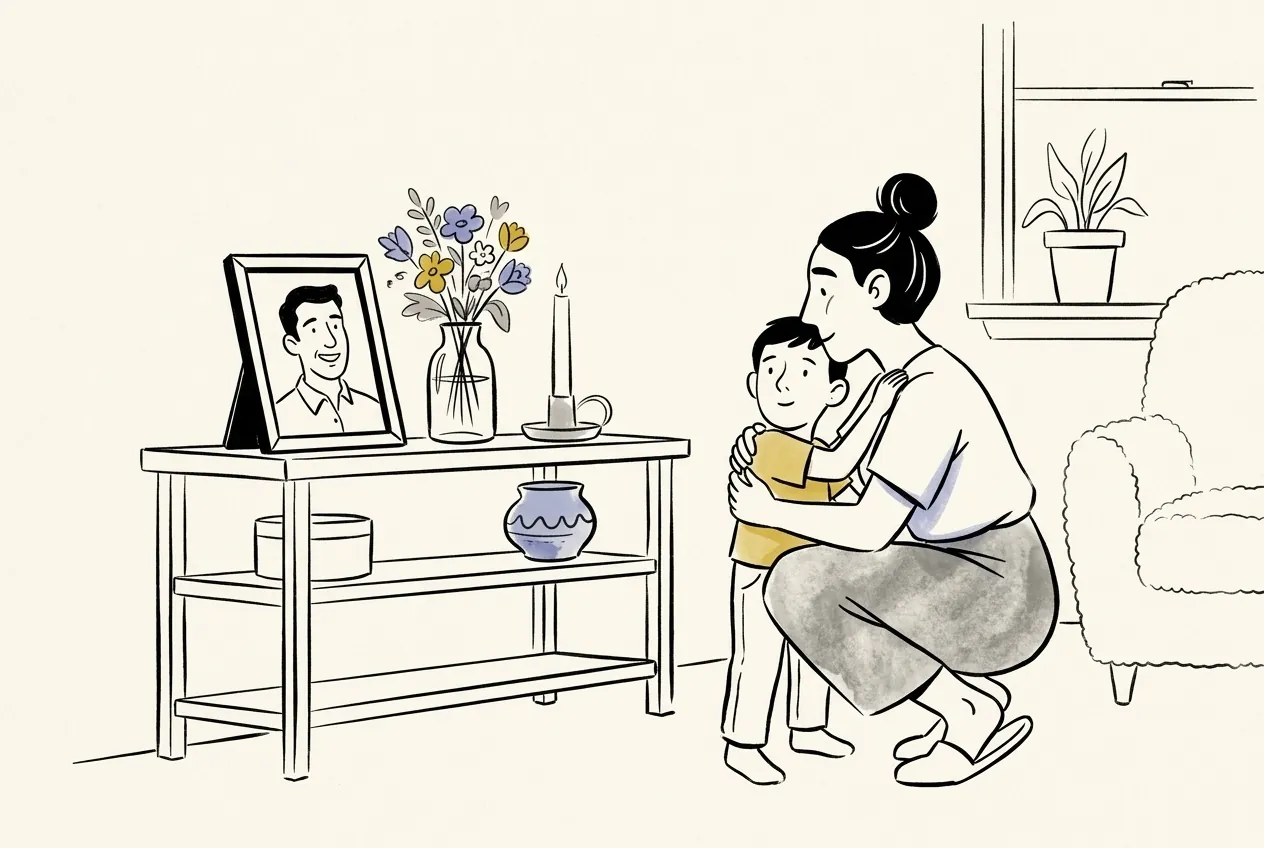
Losing a mom or dad in military service is a profound loss. Learn how children grieve, what research shows helps and where to find support, like TAPS.
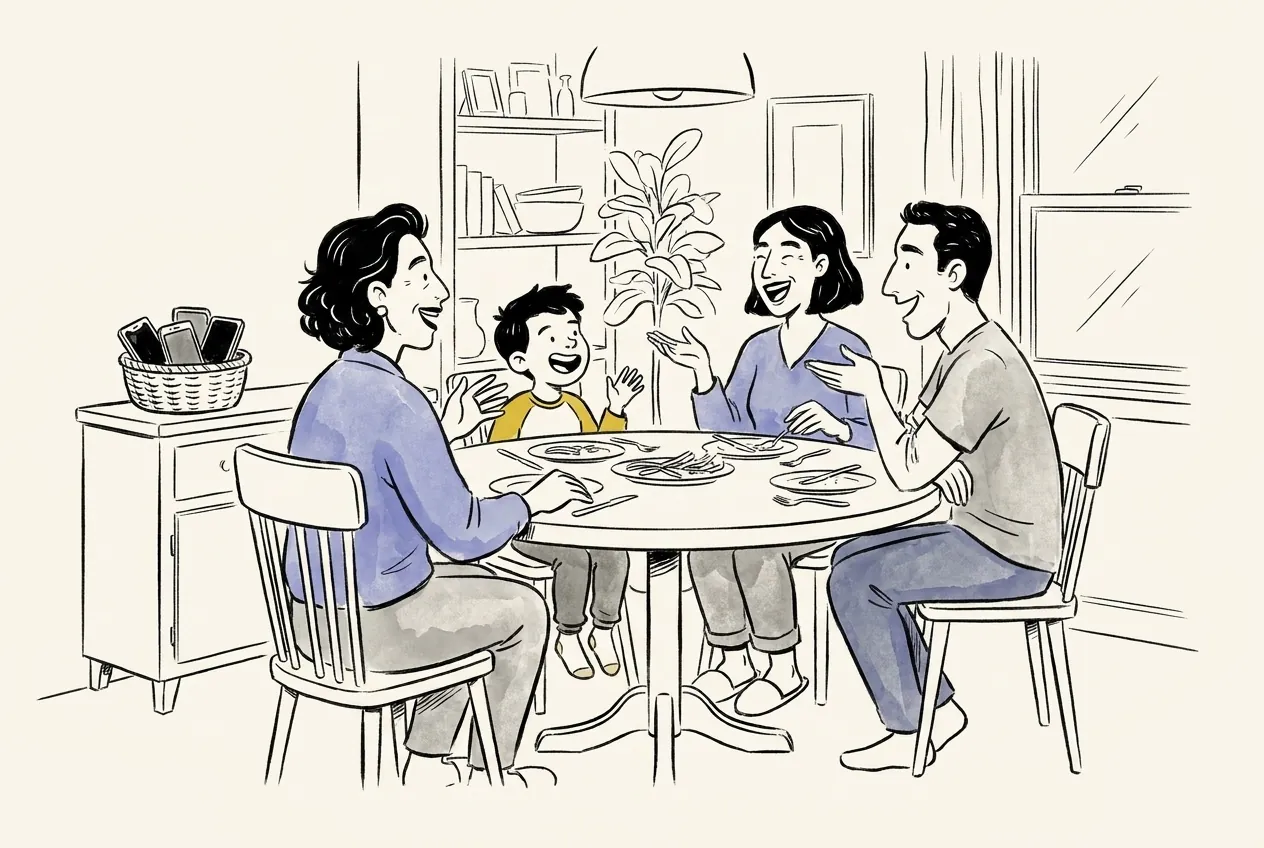
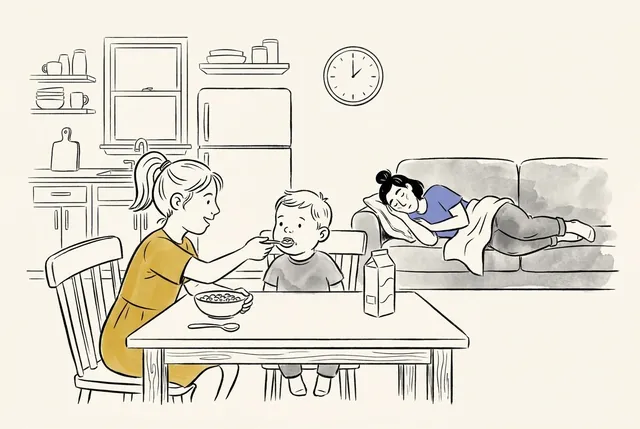
Eating together three or more times a week is linked to healthier eating in kids. Learn what research shows, why it works and how to make time for it.
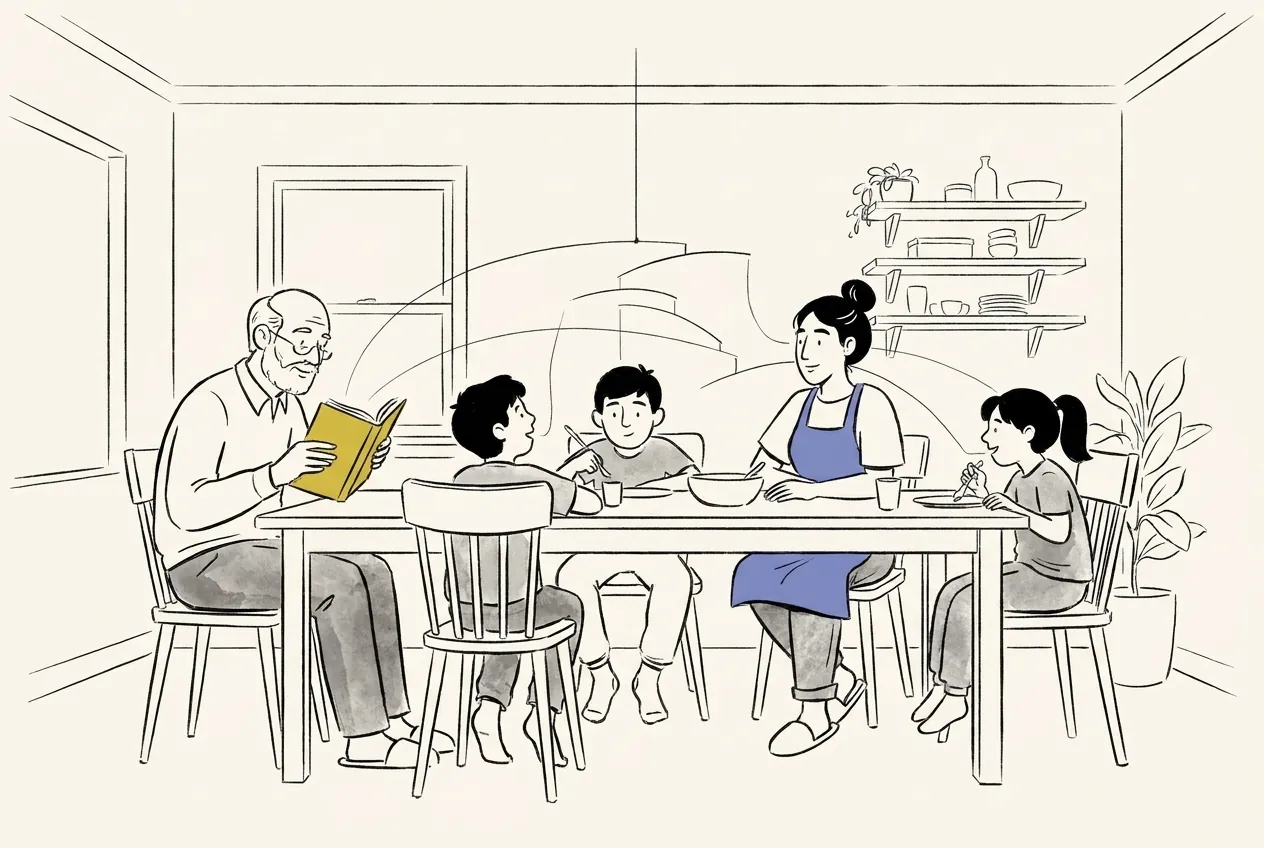
Why does one person’s stress ripple through the whole house? Family systems theory explains how roles, rules and subsystems shape every family member.
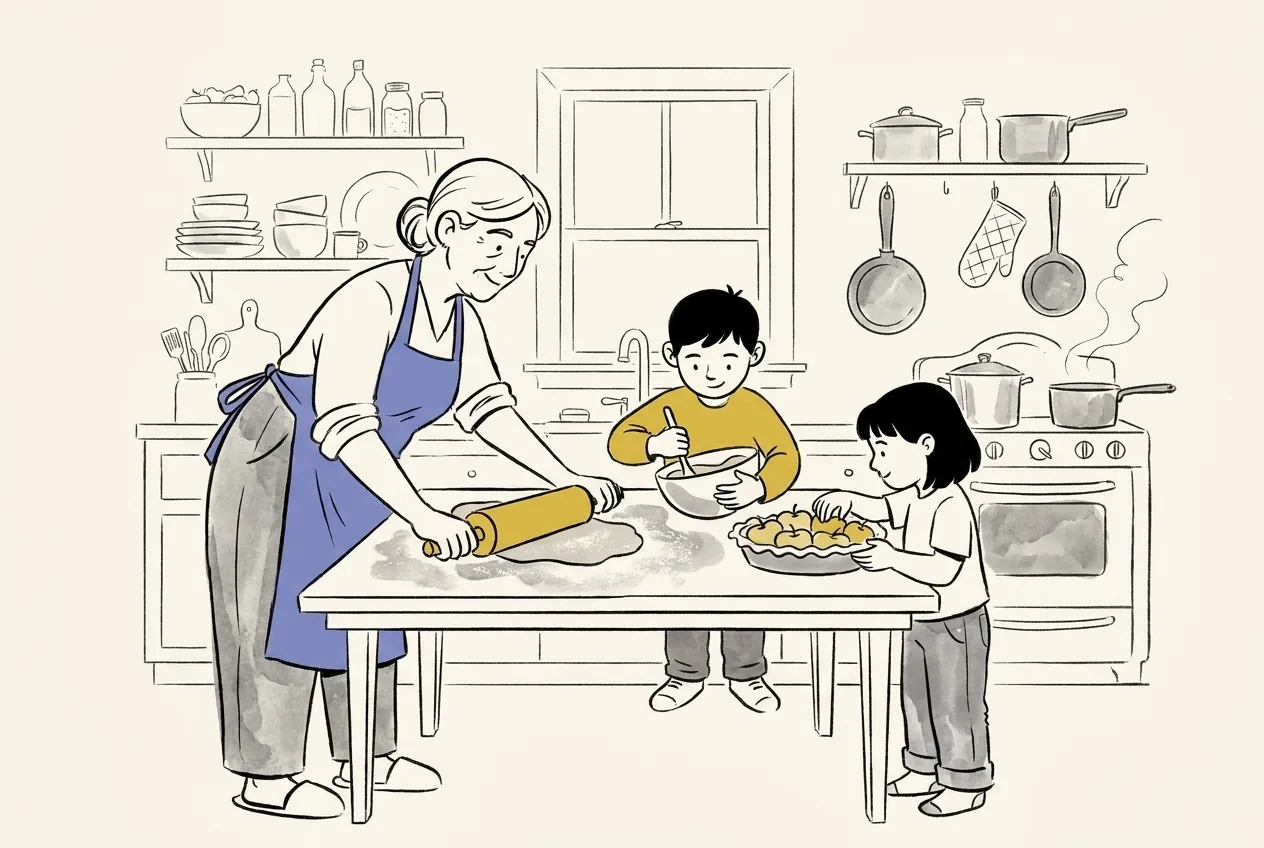
Grandparents can be a lifeline for kids and parents. Learn what research shows about their role in children’s well-being and how to set healthy boundaries.
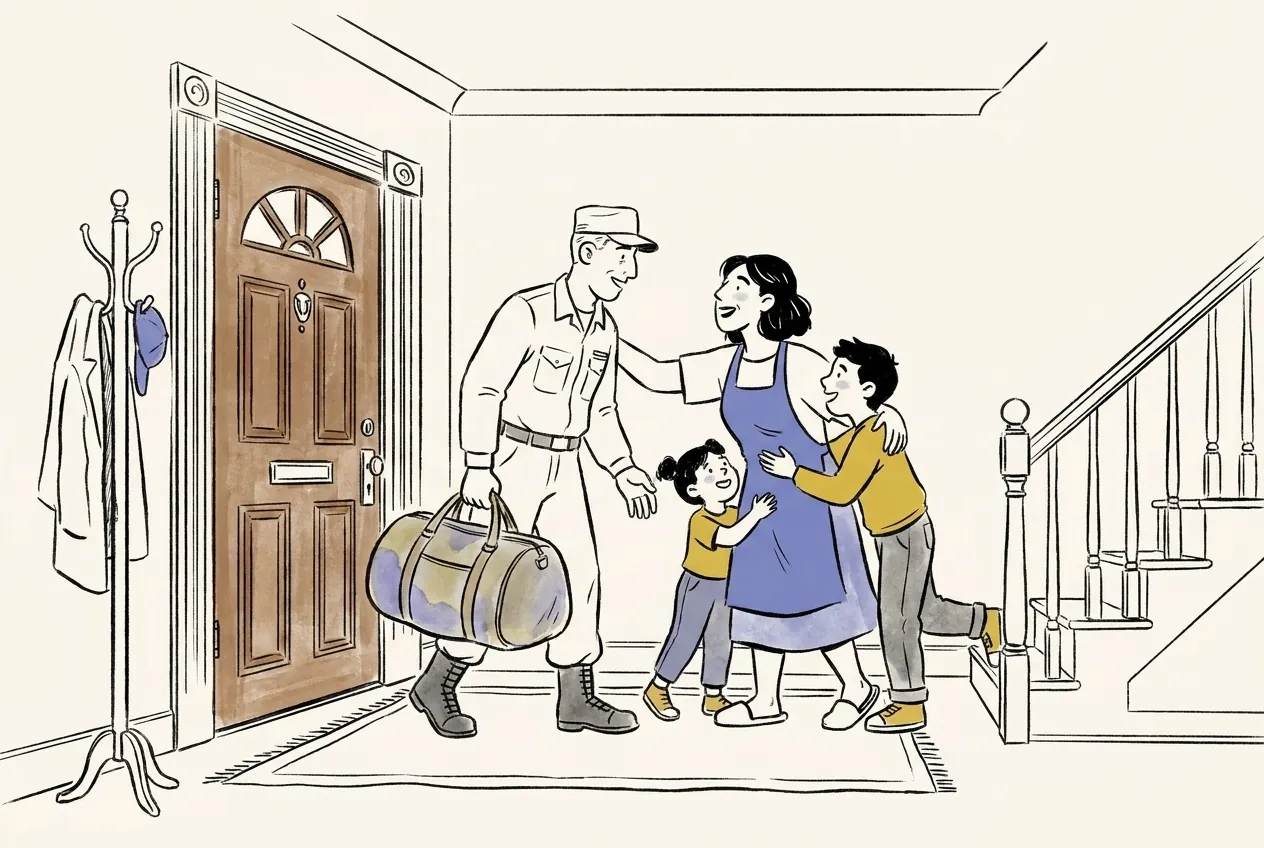
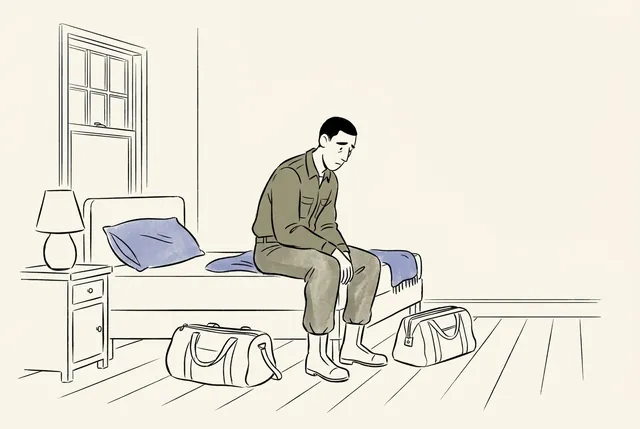
Homecoming is joyful — and the start of a hard adjustment. Learn what military families face after deployment, what helps and where to find counseling.
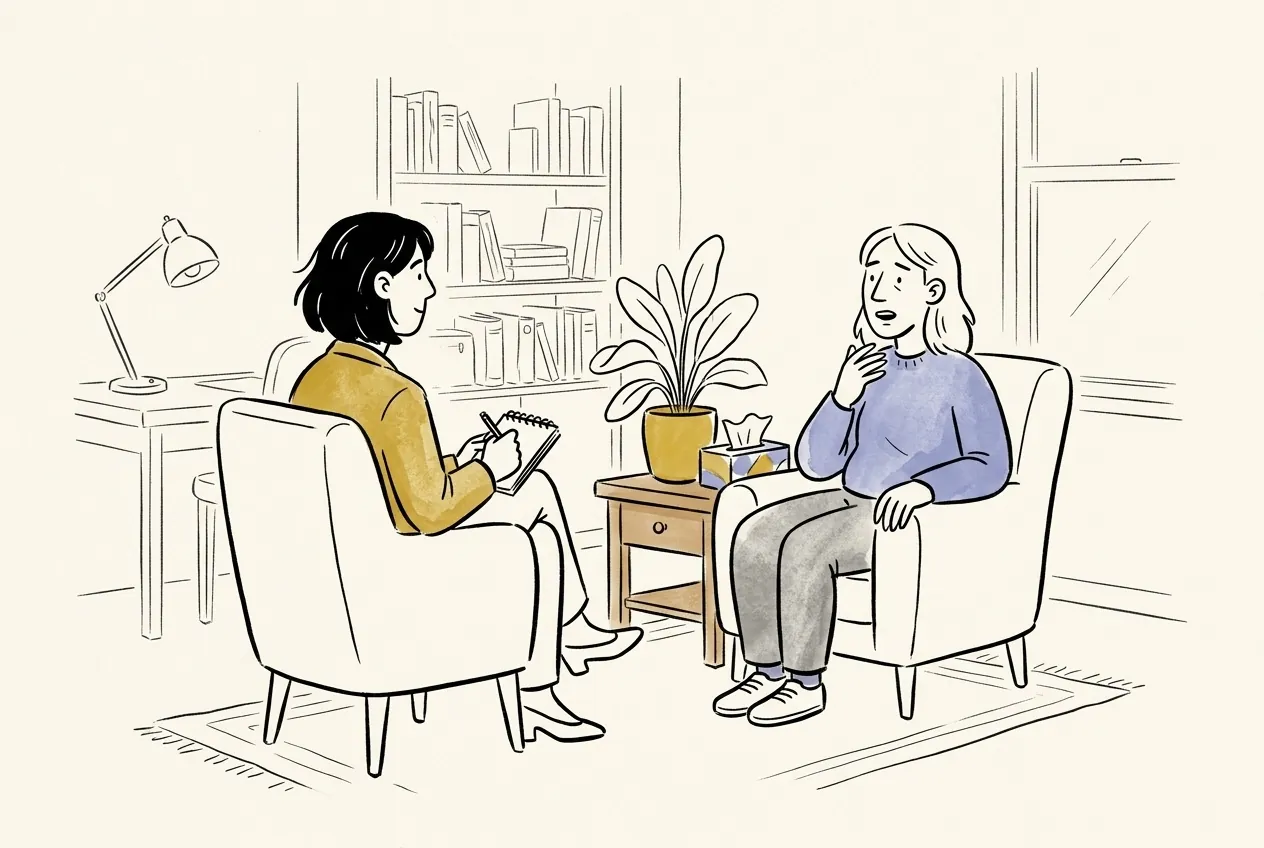
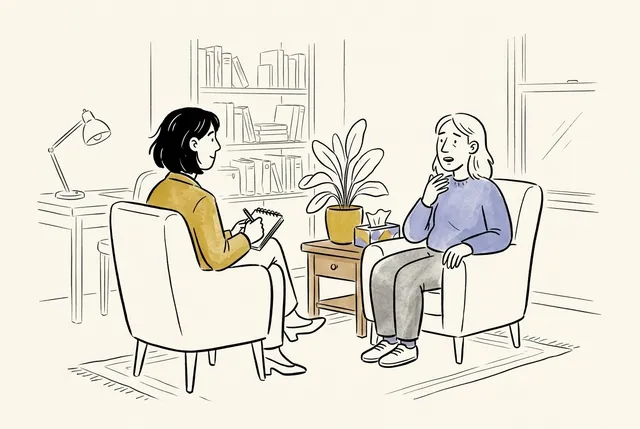
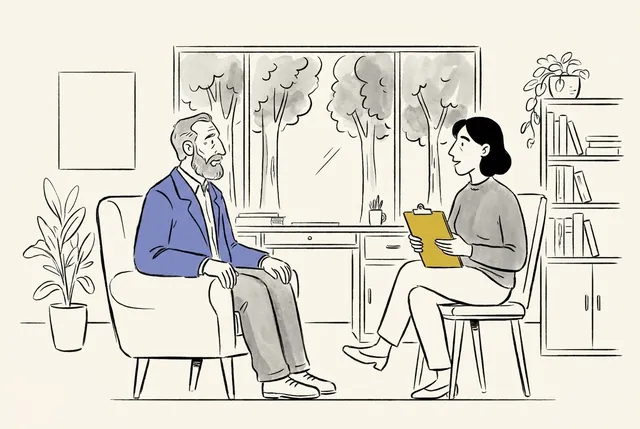
LCSW, LPC, PsyD, psychiatrist? Learn what the letters mean, why the therapy relationship matters most, how to choose, lower-cost options and red flags.
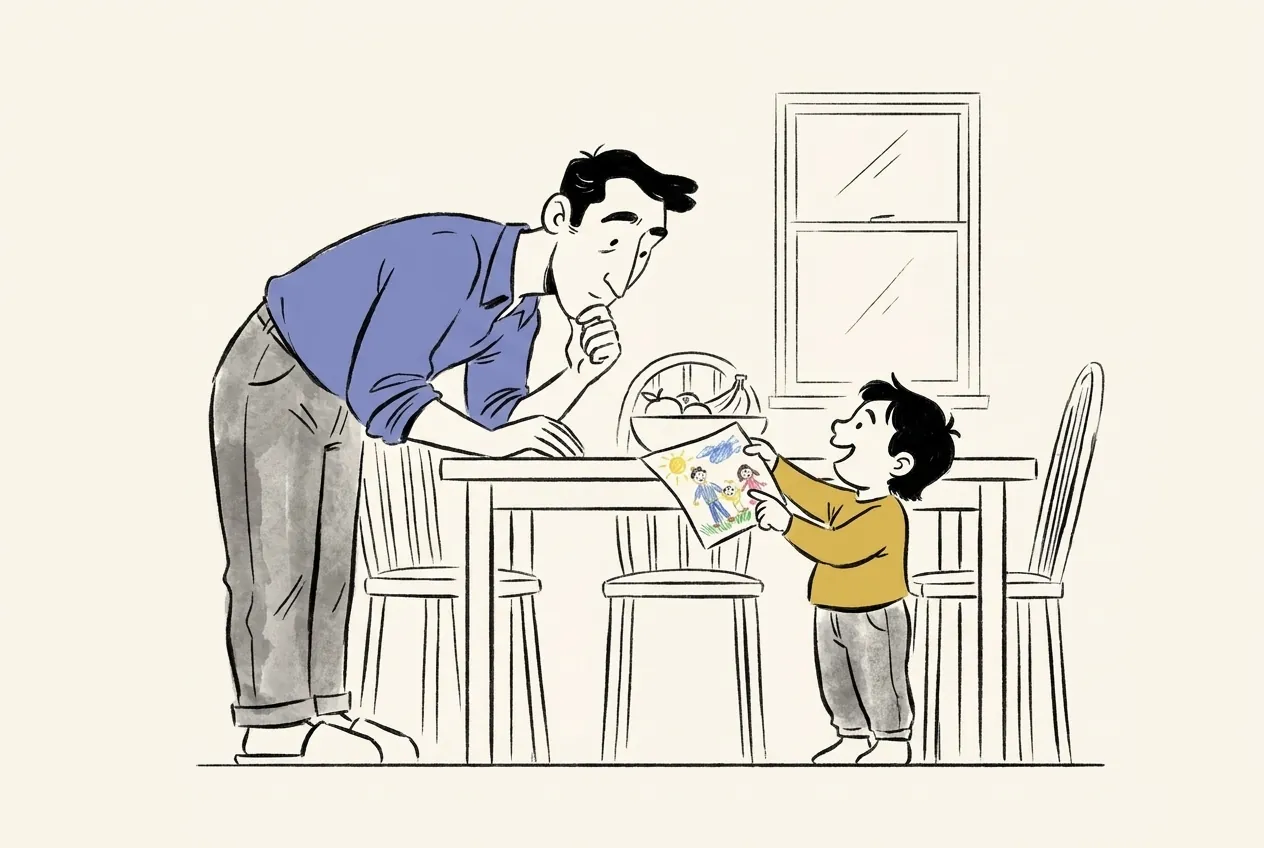
“You’re so smart” can backfire. Learn what Carol Dweck’s research shows about praise, when praise is too much and what to say after your child fails.
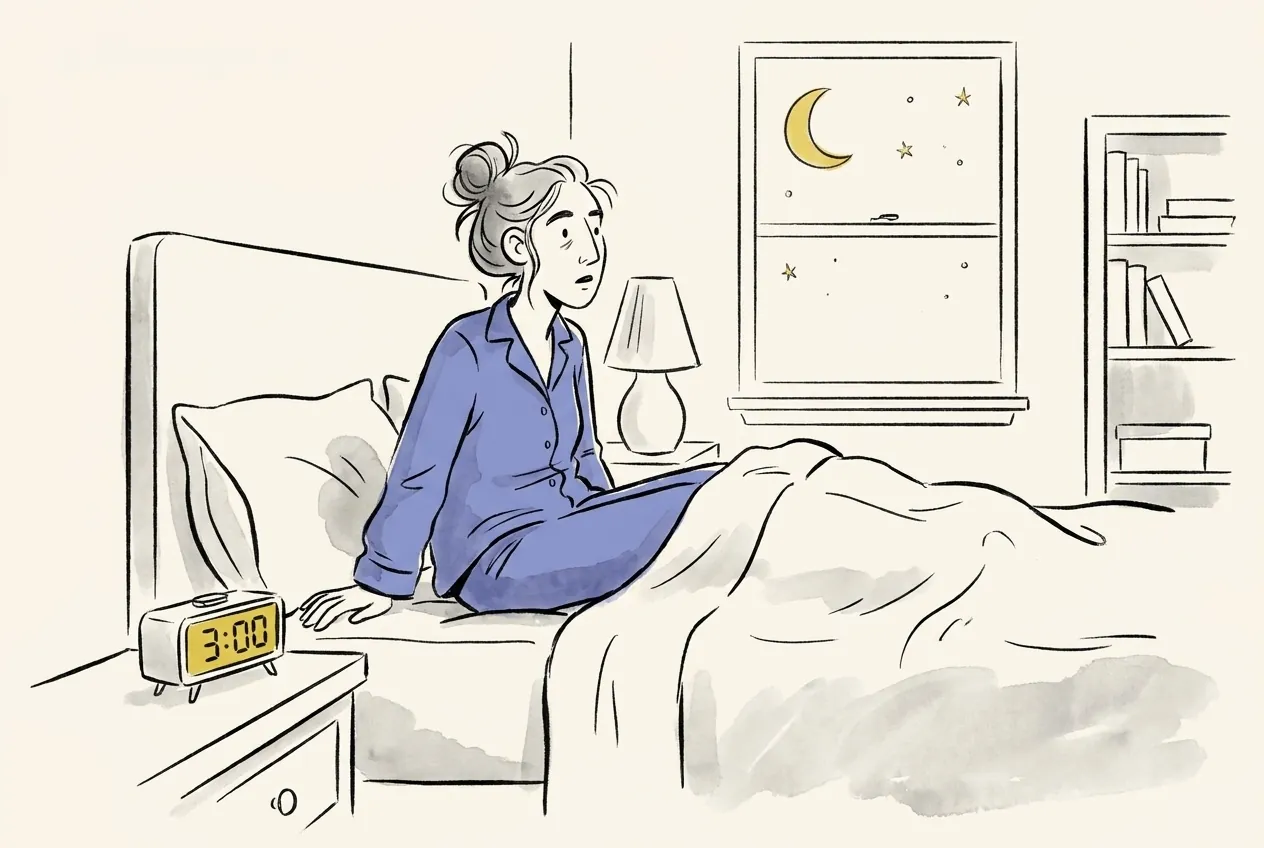
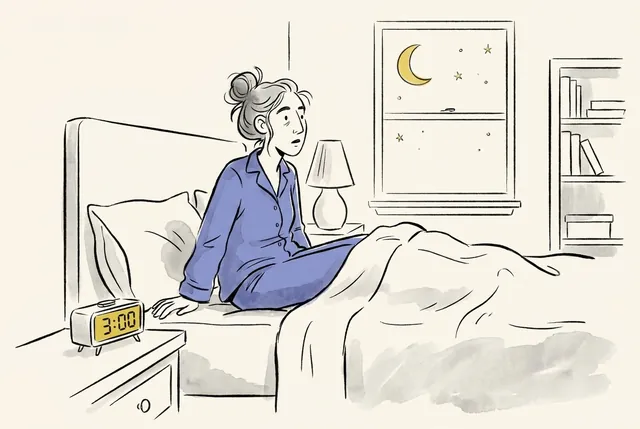
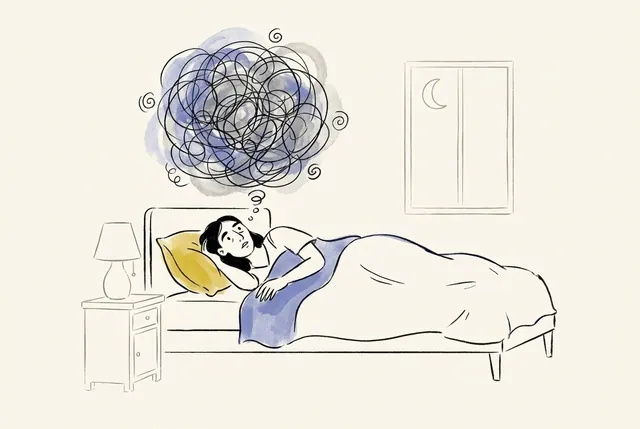
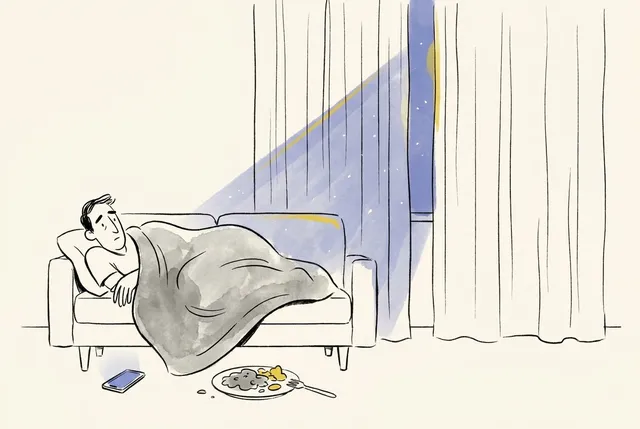
Lying awake at 3 a.m. night after night? Learn how CBT-I, the first-line therapy for insomnia, works, its core techniques and where to get it, even online.
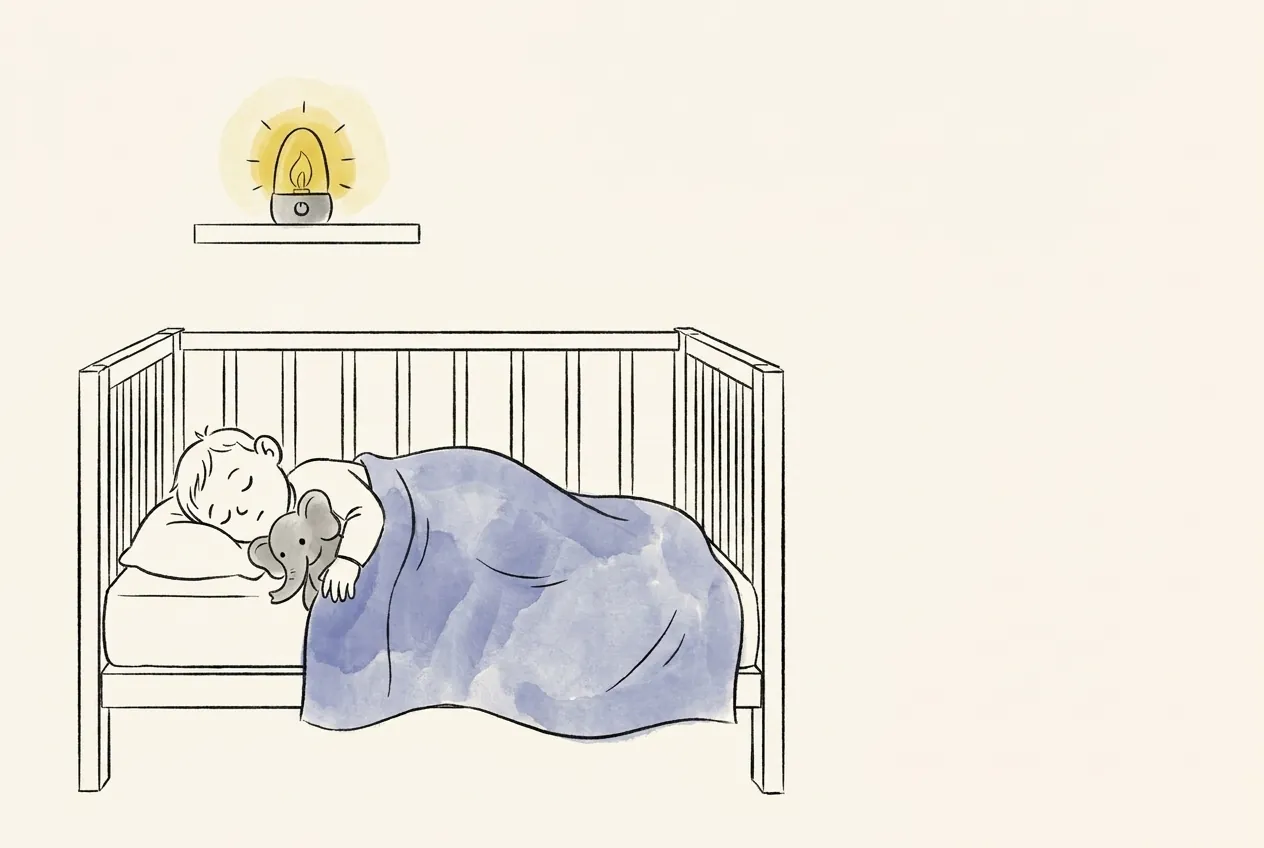
How much sleep does a 3- or 5-year-old need? See sleep hours by age from sleep experts, plus research-backed fixes for bedtime battles and night wakings.
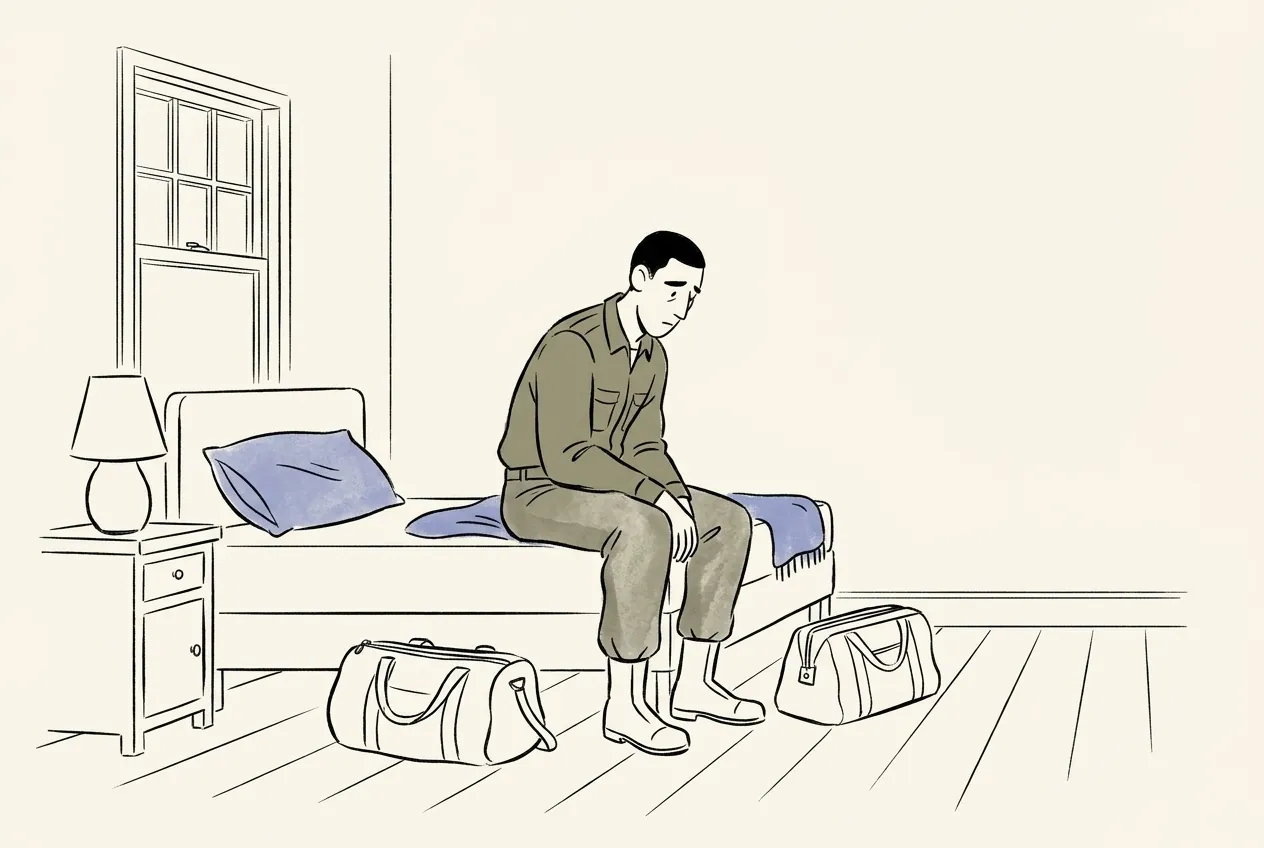
Guilt, shame and a broken sense of right and wrong after war. Learn what moral injury is, how it differs from PTSD and what helps veterans heal.
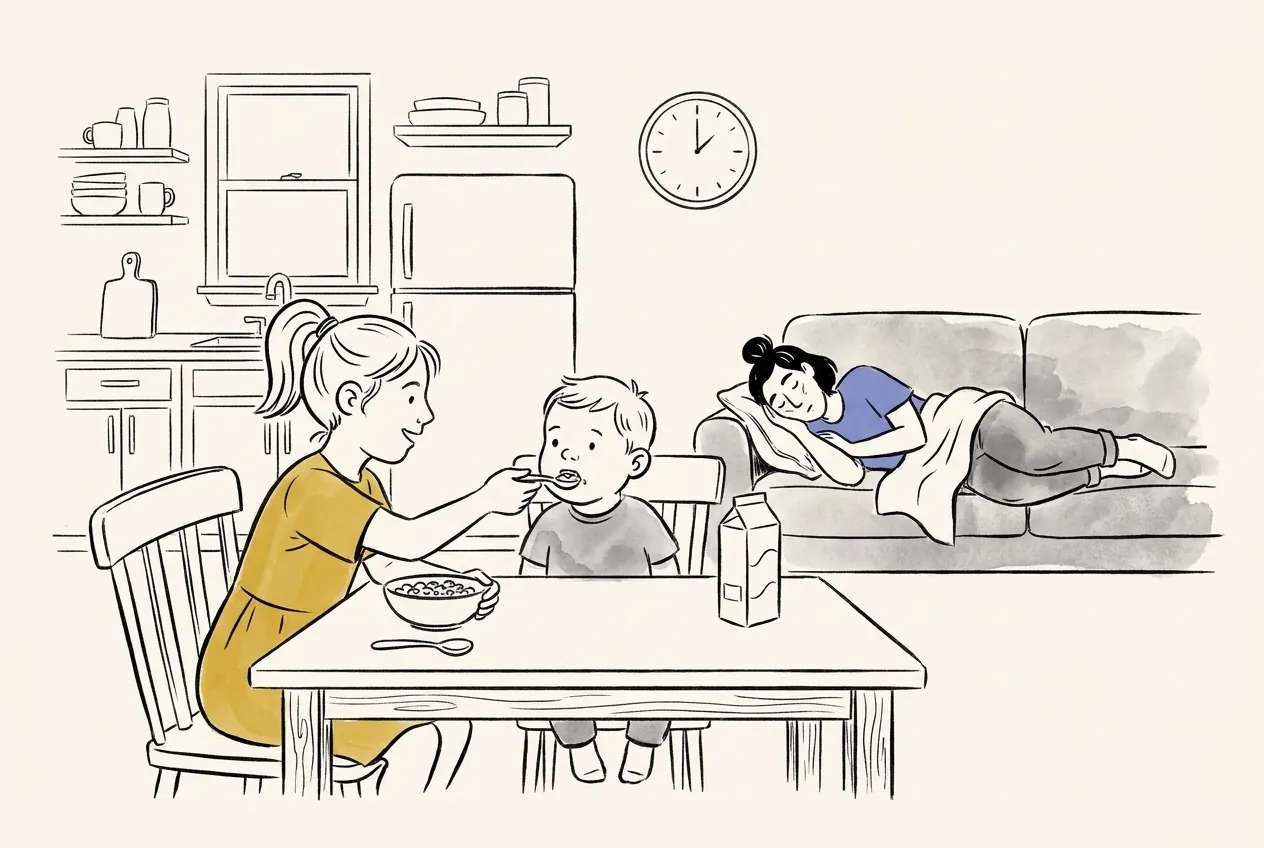
Cooking for siblings, comforting a depressed parent, paying bills at ten. Learn what being parentified means, the two types, its effects and how to heal.
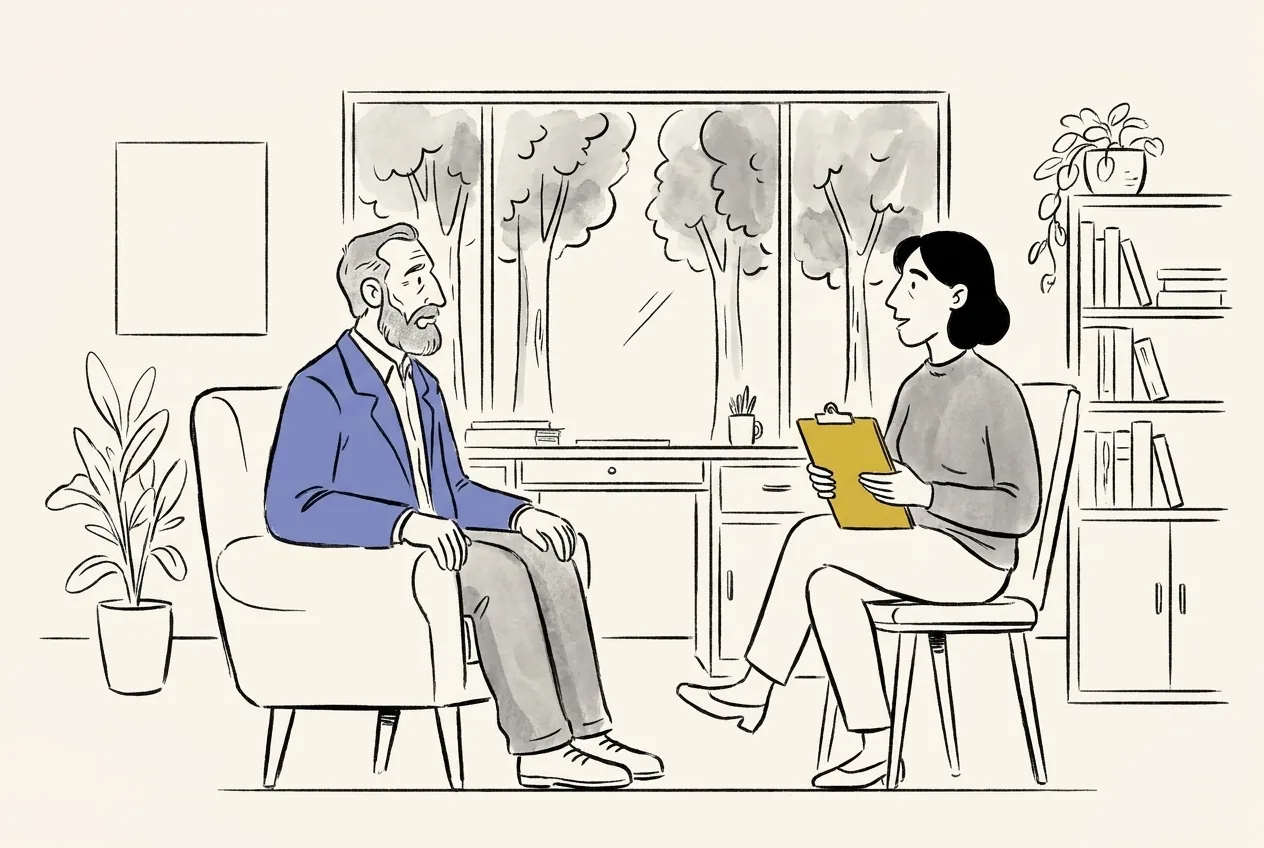
PTSD is treatable. Learn what research shows about Prolonged Exposure, CPT, EMDR and medication, where to get treatment and how families can help.

How you react to your partner’s promotion or big win matters more than you think. Learn what capitalization research shows and how to practice responding.
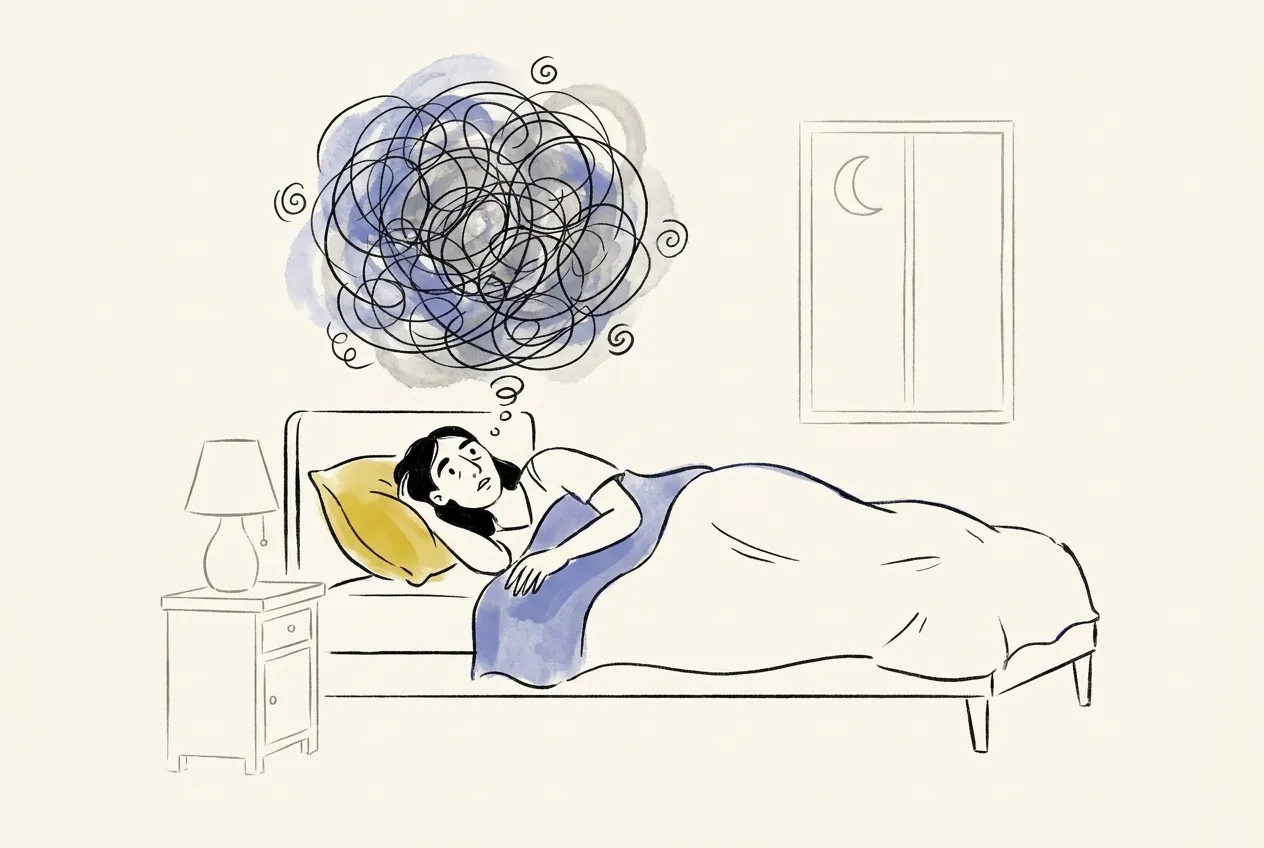
Replaying an argument for hours, asking “why me?” Learn what rumination means, how it fuels depression and research-backed techniques that help you stop.
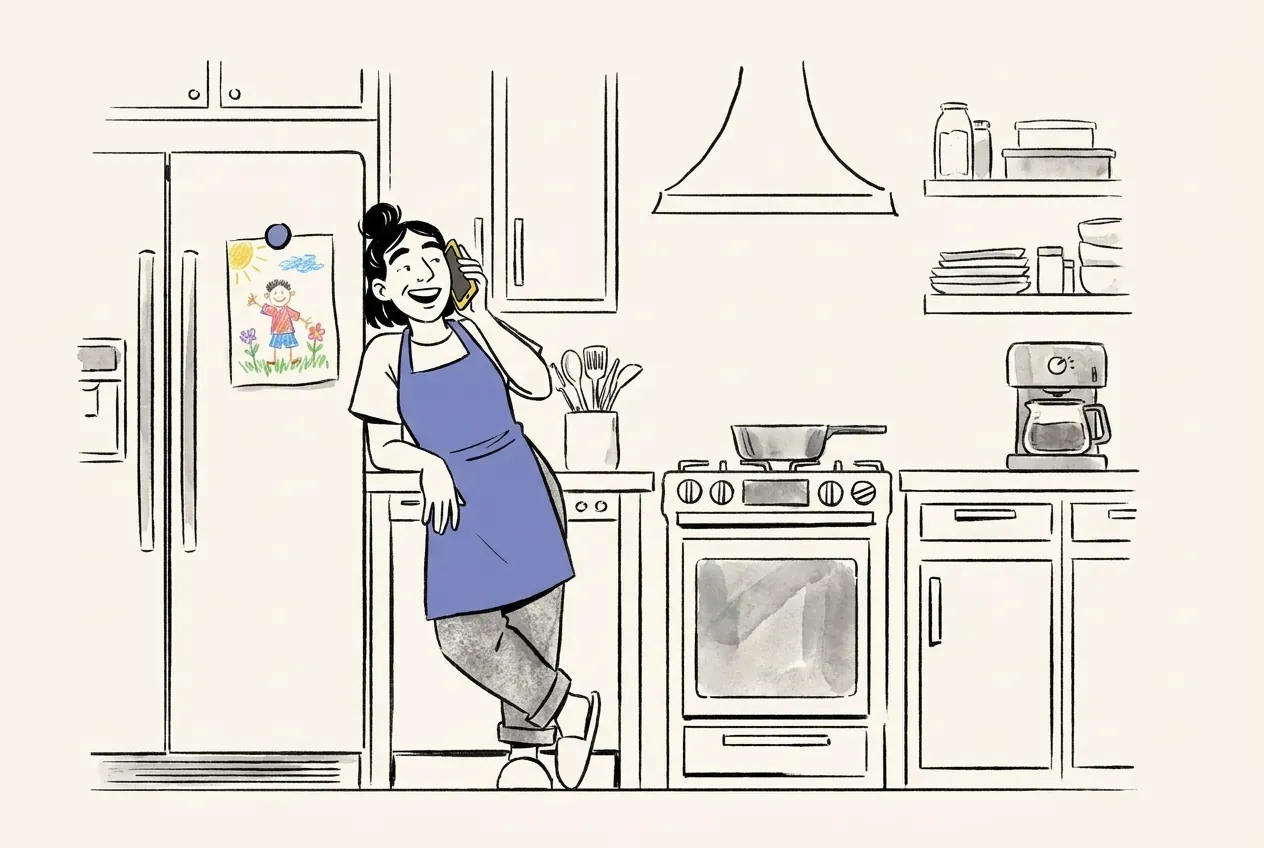
Calls, video chats, messages, care packages. Learn what research shows about communication during deployment, plus practical tips for military couples.
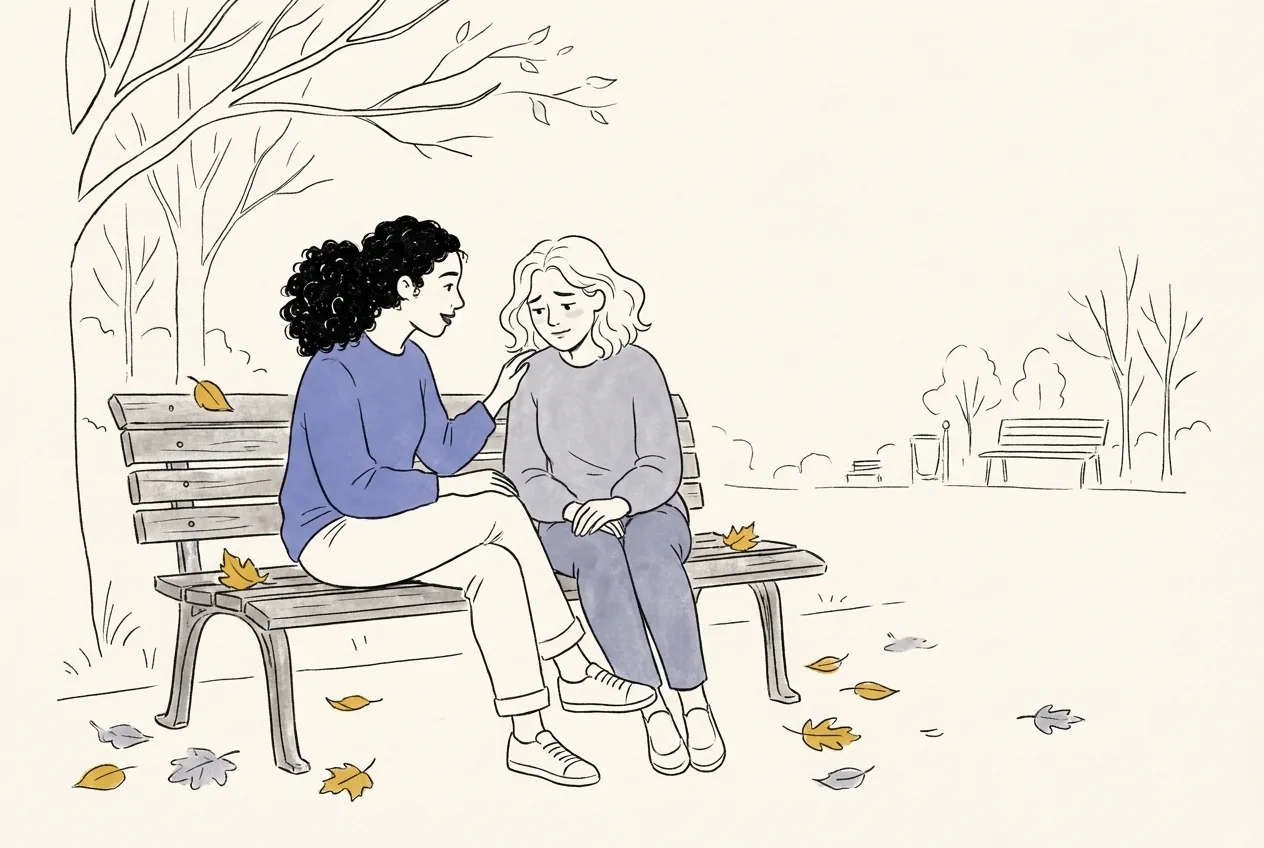
Asking directly about suicide doesn’t plant the idea — it can save a life. Learn what to say, warning signs, how to make a safety plan and how 988 helps.
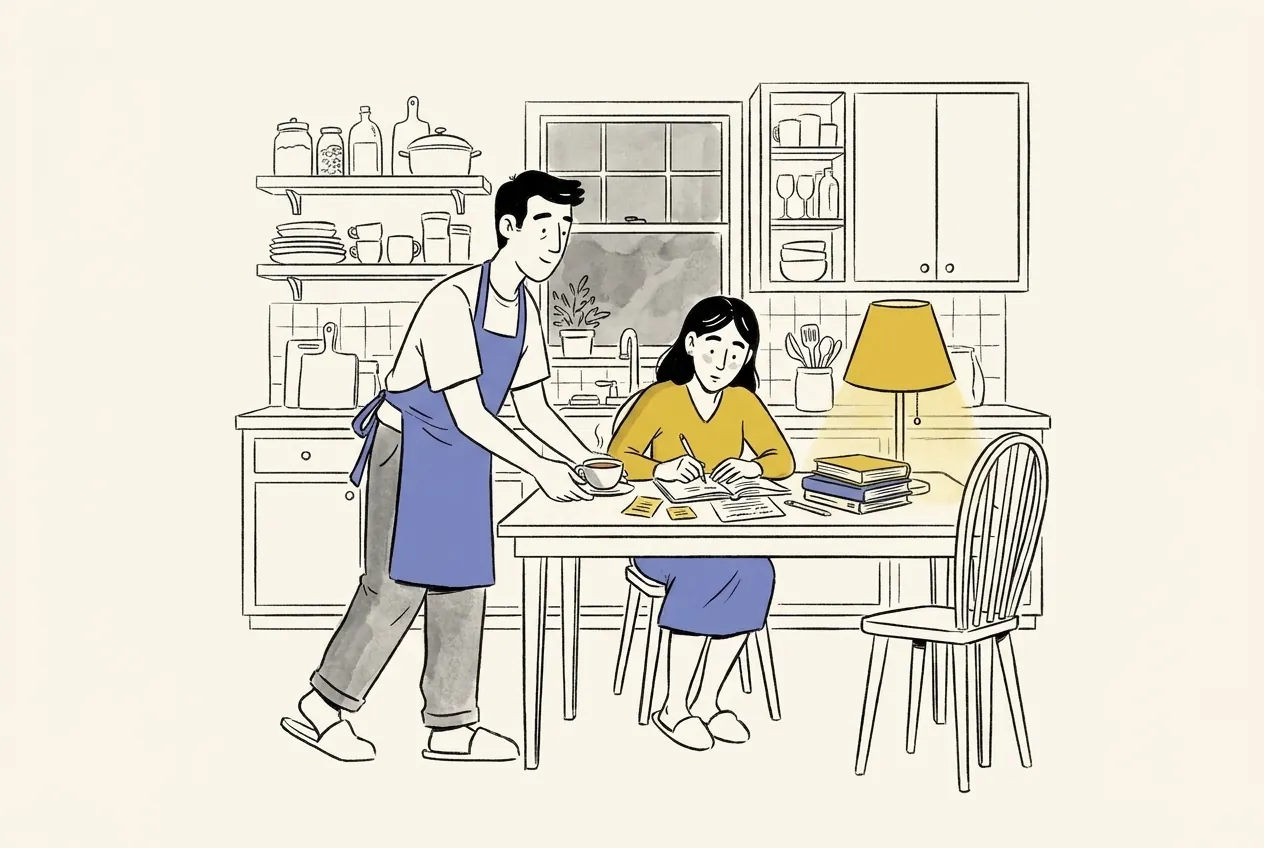
Not all support helps. Learn what research shows about support that backfires, why the best support is often invisible and how to help a stressed partner.
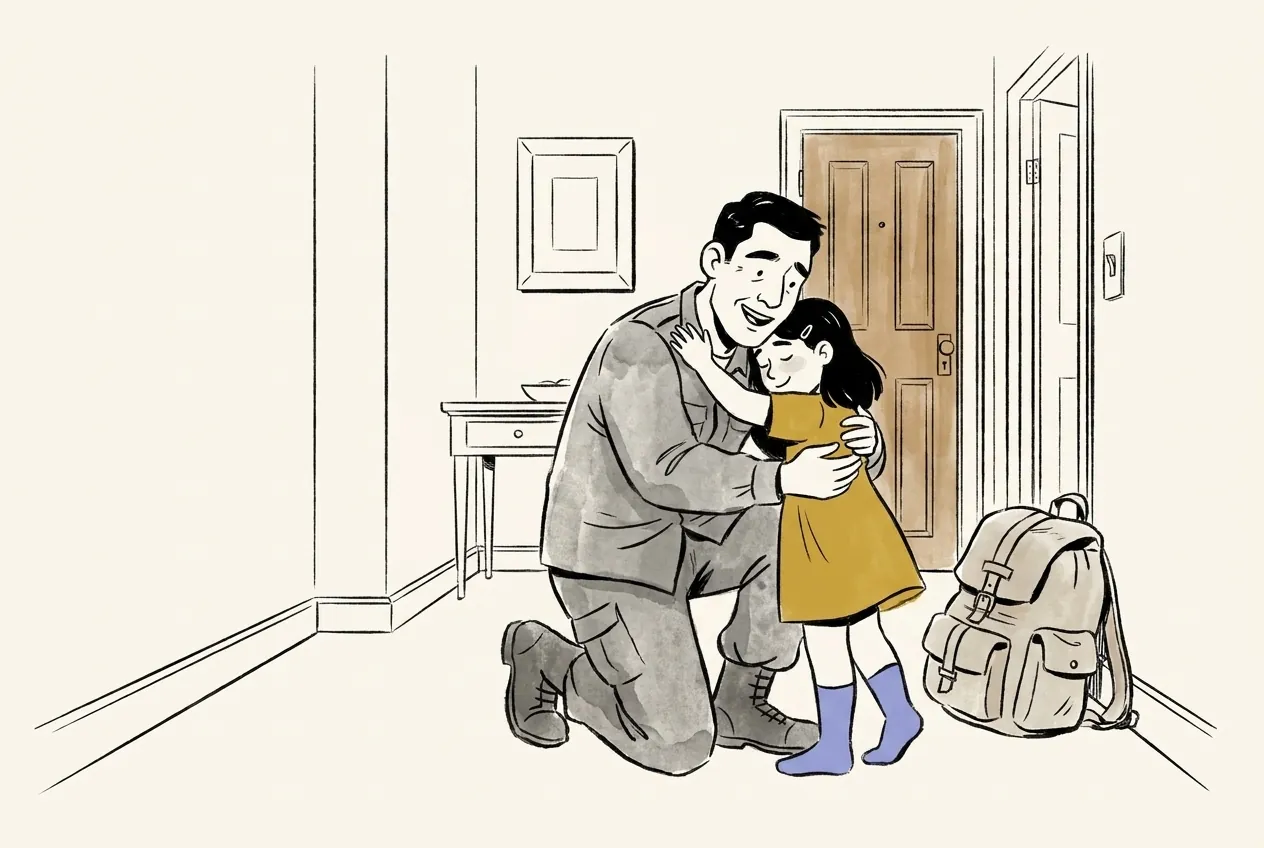
A parent’s deployment shakes a child’s world. Learn what research on military kids shows helps, how to talk about it at each age, and resources.
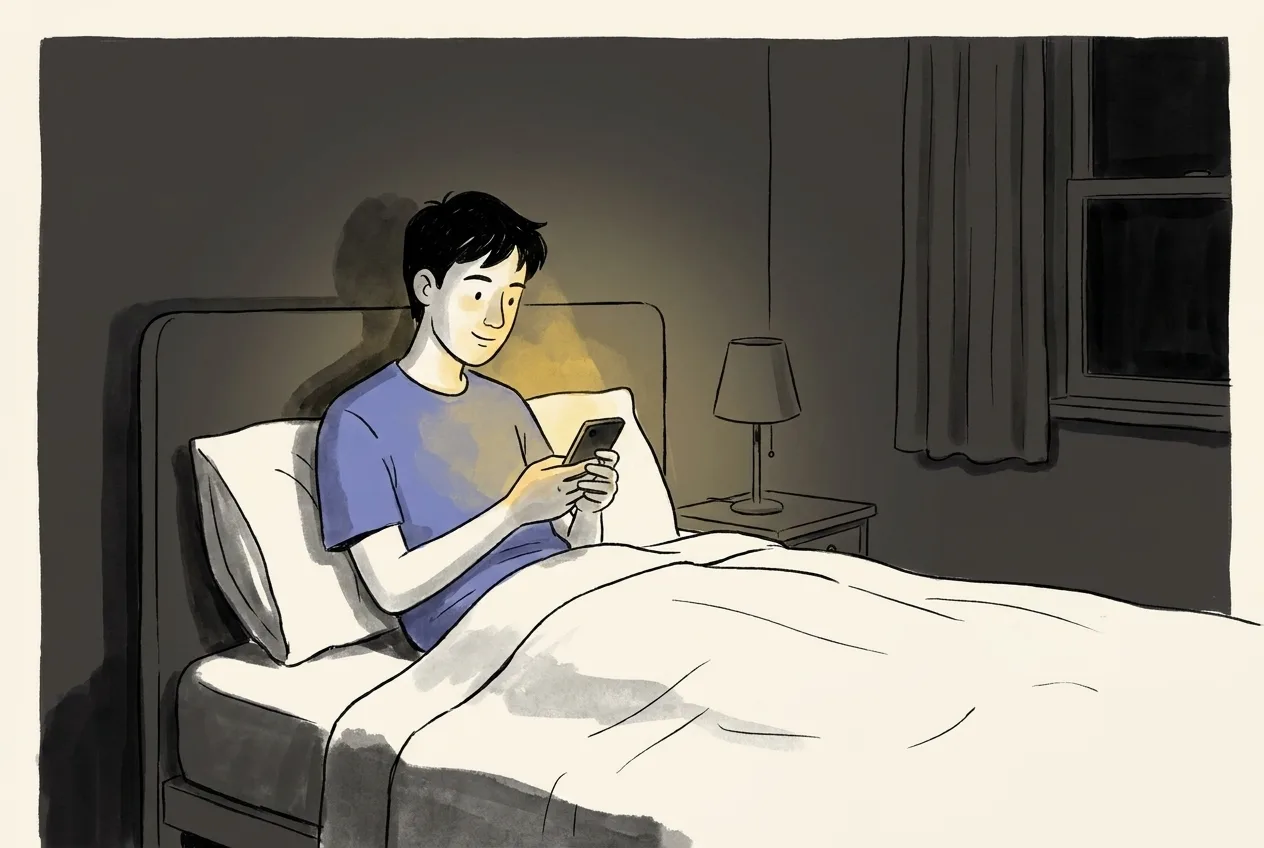
Is social media harming teens? Research shows small average effects but bigger risks for some, especially girls. Learn the warning signs and what to do.
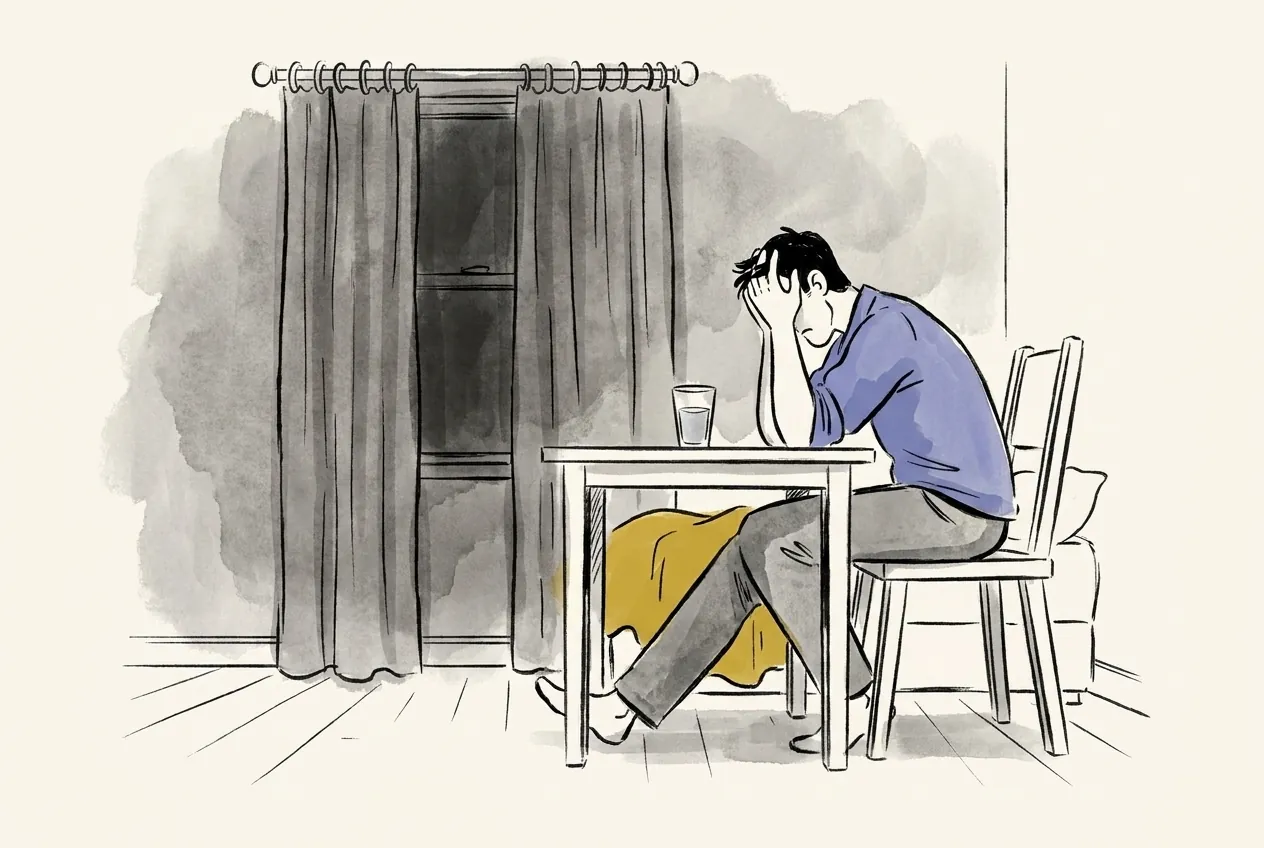
Headaches, memory problems, irritability. Learn what mild traumatic brain injury is, how service members recover and how families can help.
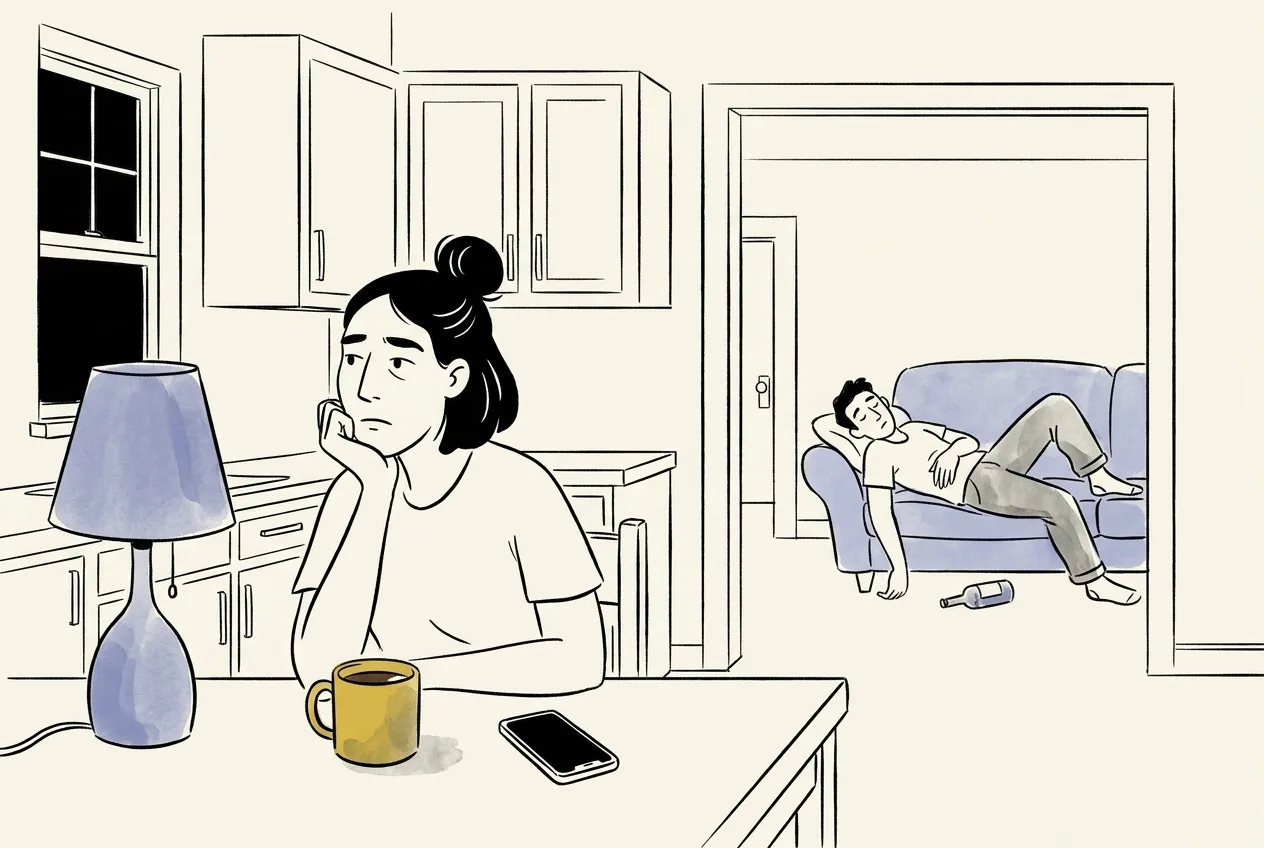
You can’t make a loved one stop drinking, but families have real influence. Learn how CRAFT works, what backfires and how to protect you and your kids.
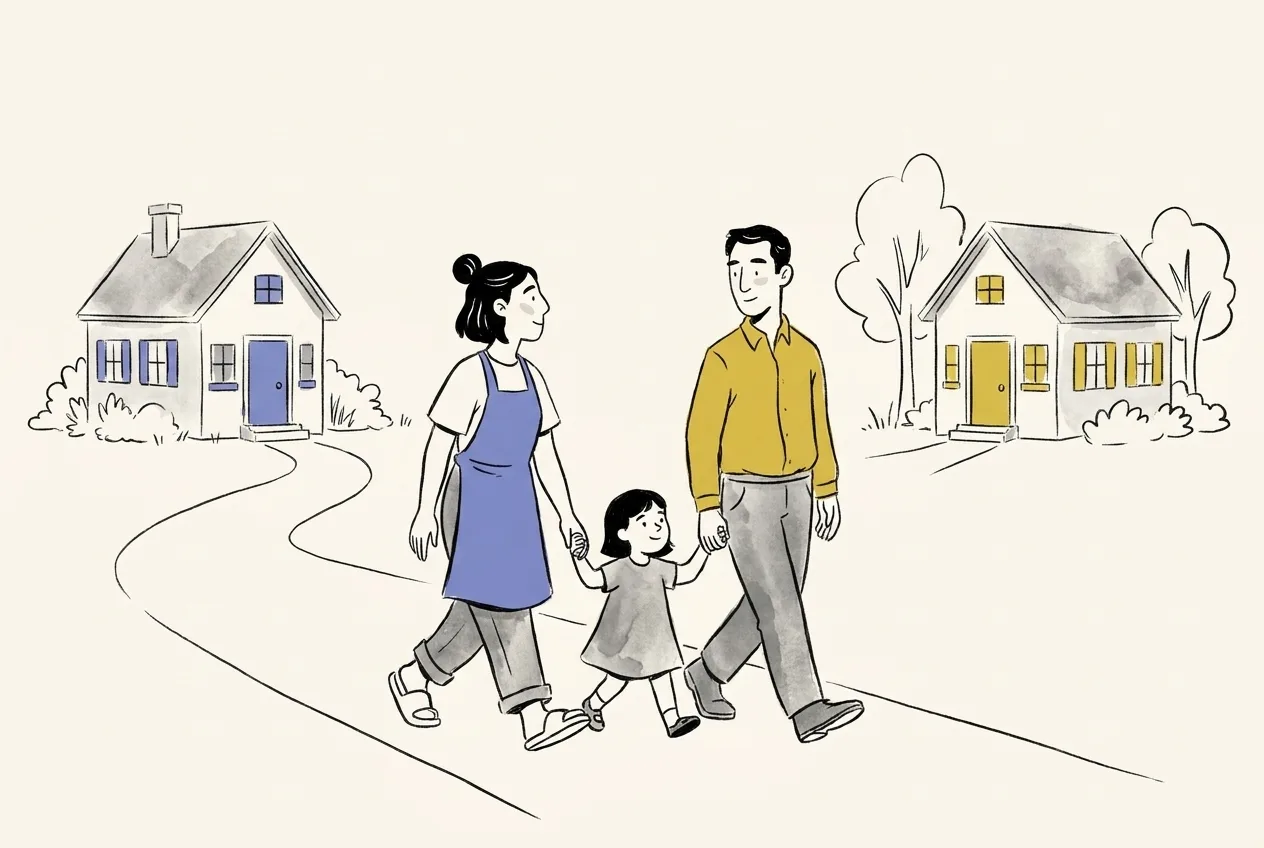
Most children of divorce do well over time. Learn what research says protects kids — low conflict, warm parenting, both parents — and steps to take now.
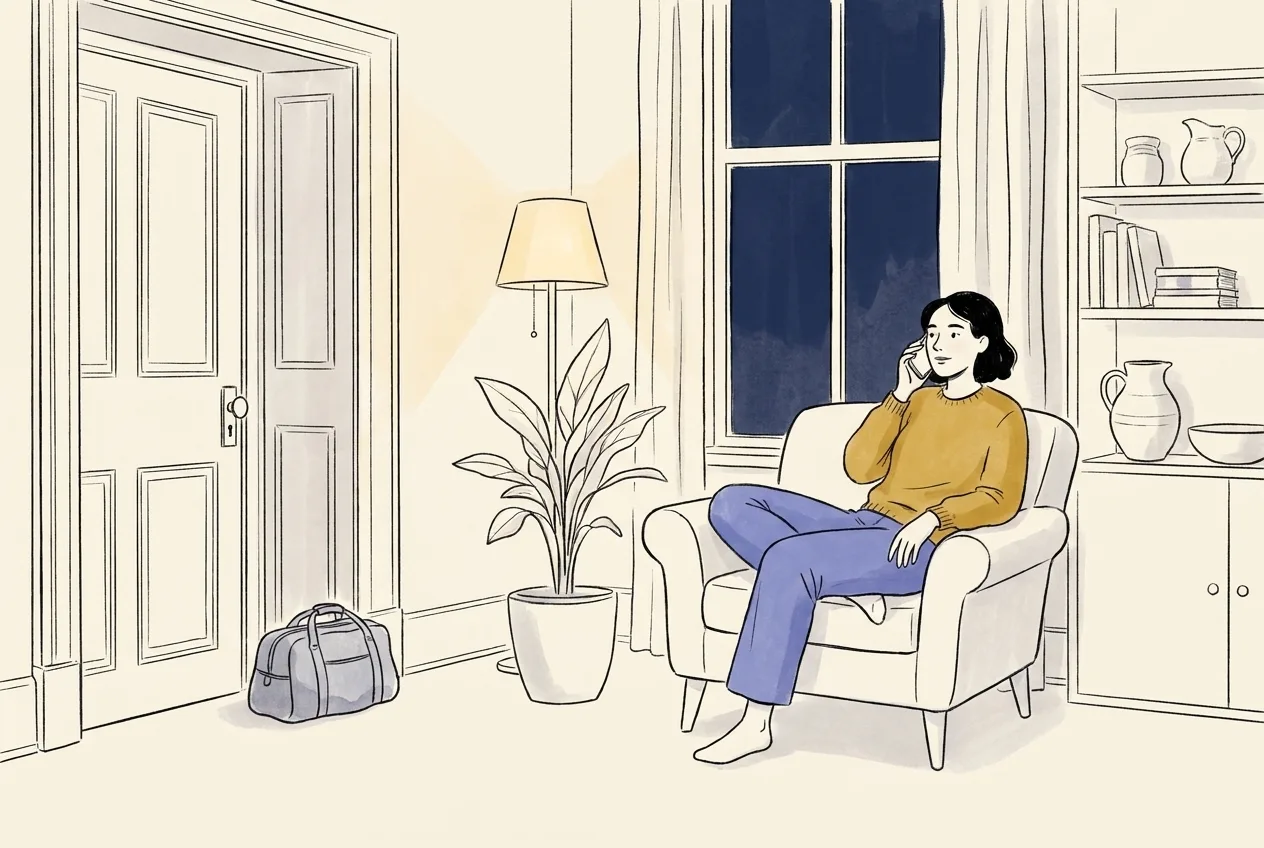
Abuse isn’t only hitting. Control, threats, isolation and financial abuse count too. Learn the warning signs of domestic violence and where to turn, 24/7.
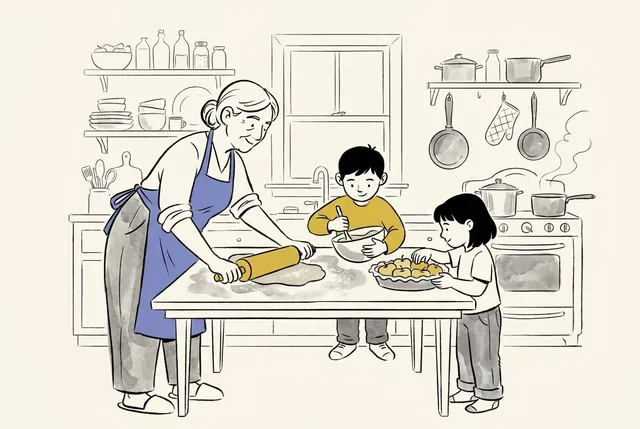
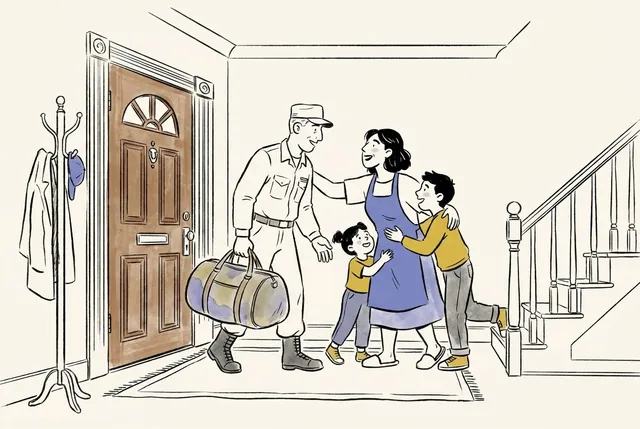



Grandparents can be a lifeline for kids and parents. Learn what research shows about their role in children’s well-being and how to set healthy boundaries.
Homecoming is joyful — and the start of a hard adjustment. Learn what military families face after deployment, what helps and where to find counseling.
LCSW, LPC, PsyD, psychiatrist? Learn what the letters mean, why the therapy relationship matters most, how to choose, lower-cost options and red flags.
“You’re so smart” can backfire. Learn what Carol Dweck’s research shows about praise, when praise is too much and what to say after your child fails.
Lying awake at 3 a.m. night after night? Learn how CBT-I, the first-line therapy for insomnia, works, its core techniques and where to get it, even online.
How much sleep does a 3- or 5-year-old need? See sleep hours by age from sleep experts, plus research-backed fixes for bedtime battles and night wakings.
A family is more than a shared address. It’s a place of unconditional love, respect and safety.
How couples keep love, respect and closeness alive: conflict, trust, infidelity, crisis and divorce — what marriage research shows.
The family as a system: generations, roles, in-laws, addiction and abuse, caregiving and family therapy — grounded in research.
Child development by age, big feelings, tantrums, screens, teens, discipline without yelling — and co-parenting after divorce.
Anxiety, depression, burnout, sleep and self-compassion: how to take care of yourself and when to get help.
Deployment, homecoming, PTSD, moral injury, kids and separation, loss: research-based support for service members, veterans and the people who love them.
Guilt, shame and a broken sense of right and wrong after war. Learn what moral injury is, how it differs from PTSD and what helps veterans heal.
Cooking for siblings, comforting a depressed parent, paying bills at ten. Learn what being parentified means, the two types, its effects and how to heal.
PTSD is treatable. Learn what research shows about Prolonged Exposure, CPT, EMDR and medication, where to get treatment and how families can help.
How you react to your partner’s promotion or big win matters more than you think. Learn what capitalization research shows and how to practice responding.
Replaying an argument for hours, asking “why me?” Learn what rumination means, how it fuels depression and research-backed techniques that help you stop.
Living with someone who has PTSD takes a toll. Learn how secondary trauma affects military spouses and kids, the signs to watch for and where to get help.
Calls, video chats, messages, care packages. Learn what research shows about communication during deployment, plus practical tips for military couples.
Asking directly about suicide doesn’t plant the idea — it can save a life. Learn what to say, warning signs, how to make a safety plan and how 988 helps.
Not all support helps. Learn what research shows about support that backfires, why the best support is often invisible and how to help a stressed partner.
A parent’s deployment shakes a child’s world. Learn what research on military kids shows helps, how to talk about it at each age, and resources.
Is social media harming teens? Research shows small average effects but bigger risks for some, especially girls. Learn the warning signs and what to do.
Headaches, memory problems, irritability. Learn what mild traumatic brain injury is, how service members recover and how families can help.
Combat deployment is linked to new heavy drinking, especially in younger troops and the Guard and Reserve. See the warning signs and how families can help.
You can’t make a loved one stop drinking, but families have real influence. Learn how CRAFT works, what backfires and how to protect you and your kids.
Most children of divorce do well over time. Learn what research says protects kids — low conflict, warm parenting, both parents — and steps to take now.
Abuse isn’t only hitting. Control, threats, isolation and financial abuse count too. Learn the warning signs of domestic violence and where to turn, 24/7.
Constant fights, distance, a crisis or a big transition. Learn the signs your family or couple could use therapy, and what research says about results.
Every couple argues; what predicts divorce is how. Learn Gottman’s four horsemen — criticism, contempt, defensiveness, stonewalling — and their antidotes.
“That never happened.” “You’re too sensitive.” Learn what gaslighting sounds like, its common signs, what research says and how to protect yourself.
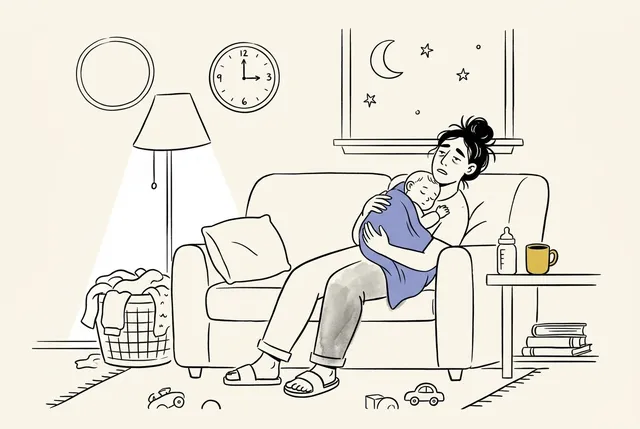
Running on empty with your kids? Learn how parental burnout differs from tiredness and depression, why US parents are at high risk and how to recover.
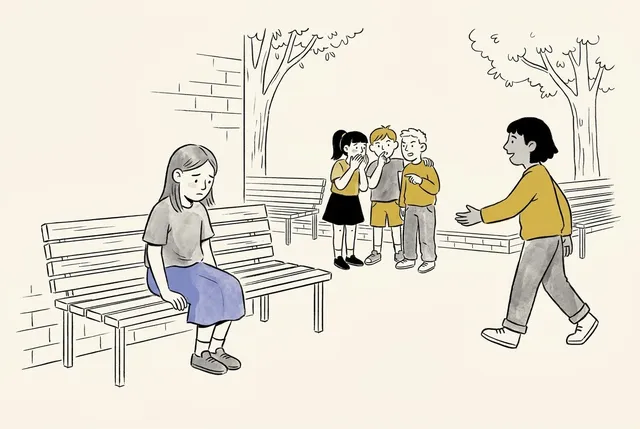
About a third of kids are involved in bullying. Learn the warning signs, how to talk to your child, how to work with the school and when to get extra help.
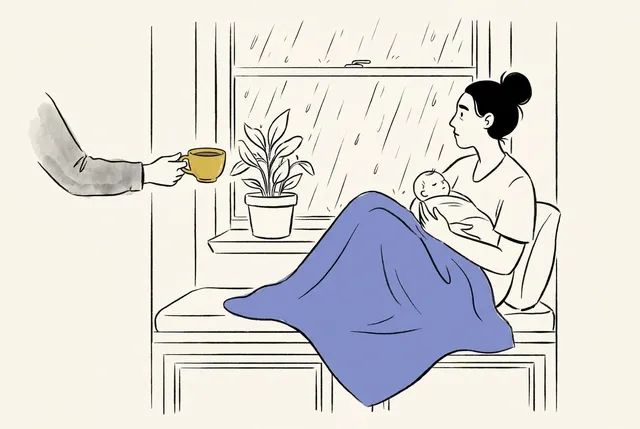
Postpartum depression affects about 1 in 6 new moms and 1 in 10 new dads. Learn how it differs from the baby blues, what helps and where to get free help.
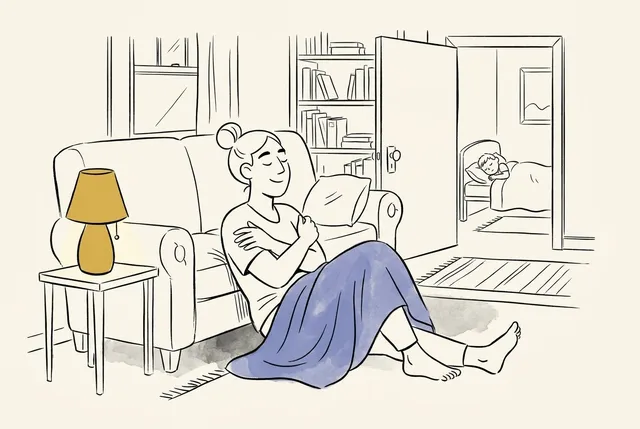
You yelled again. You forgot the field trip form. Learn why self-criticism doesn’t make you a better parent, what self-compassion is and how to start.
“Stop crying” rarely works. Learn Gottman’s five emotion coaching steps, what research says about results and what to say when your child is upset.
Screaming in the cereal aisle? Learn why 2- and 3-year-olds have tantrums, what’s normal, what helps in the moment and when to call your pediatrician.
Not every argument harms kids. Learn which parental conflict hurts children, why, and how resolving it in front of them can teach them something valuable.
Nightmares, flashbacks, always on guard, pulling away. Learn the four groups of PTSD symptoms in veterans and others, how common it is and what helps.
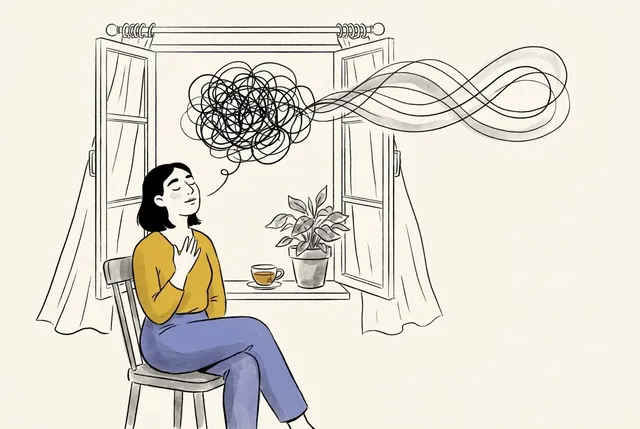
Constant worry, a racing mind, a knot in your stomach. Learn what research shows helps anxiety most, from CBT to exercise, plus steps to start today.
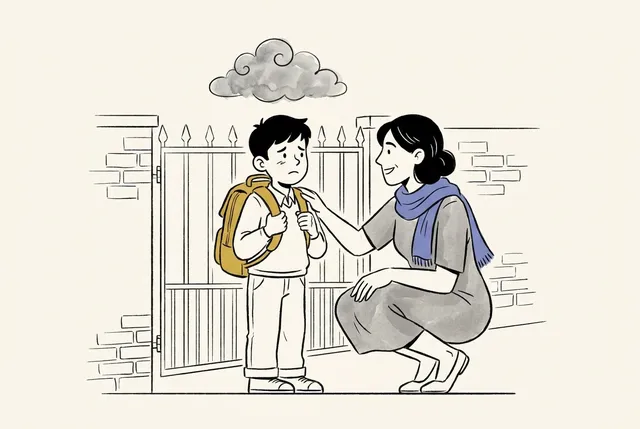
All kids worry. Learn how to tell normal fears from childhood anxiety, how common it is, what causes it and which treatments work best for children.
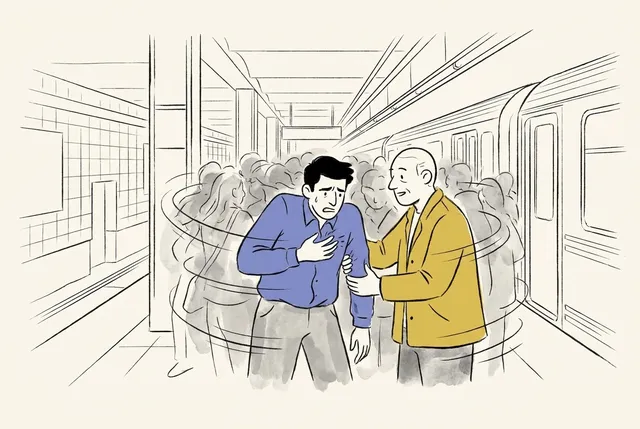
Pounding heart, chest pain, fear you’re dying. Learn the symptoms of a panic attack, why it happens, what helps in the moment and which treatment works.
Browse every article by topic: Relationships · Family · Parenting · Emotional health · Military families