How much sleep does a child need at every age?
How much sleep does a 3- or 5-year-old need? See sleep hours by age from sleep experts, plus research-backed fixes for bedtime battles and night wakings.
The American Academy of Sleep Medicine, endorsed by the American Academy of Pediatrics, recommends 12–16 hours for infants (including naps), 11–14 for toddlers, 10–13 for preschoolers, 9–12 for school-age kids and 8–10 for teens. Behavioral approaches — a consistent bedtime routine and gradually teaching kids to fall asleep on their own — help most families with bedtime problems and night wakings.
- Kids who regularly get enough sleep have better attention, behavior, learning and health.
- A predictable bedtime routine is one of the simplest and most effective tools.
- Behavioral sleep methods help the large majority of young children.
Bedtime battles, 3 a.m. wake-ups, a cranky kid at breakfast: sleep problems affect the whole family. Here’s how much sleep kids really need and what helps.
How many hours of sleep do kids need by age?
An expert panel of the American Academy of Sleep Medicine reviewed hundreds of studies and issued recommendations, later endorsed by the American Academy of Pediatrics 1. Per 24 hours, including naps:
- 4–12 months: 12–16 hours
- 1–2 years: 11–14 hours
- 3–5 years: 10–13 hours
- 6–12 years: 9–12 hours
- 13–18 years: 8–10 hours
Regularly getting enough sleep was linked to better attention, behavior, learning, memory, emotional regulation and overall health. Too little sleep was linked to injuries, obesity and, in teens, depression and self-harm.
What helps with bedtime battles and night wakings?
Jodi Mindell and colleagues reviewed dozens of studies of behavioral treatments for bedtime resistance and night wakings in young children 2. The vast majority found these methods effective. The main approaches:
- A consistent bedtime routine: bath, pajamas, teeth, books, lights out — the same order every night.
- Graduated approaches: checking in at gradually longer intervals, or sitting by the bed and moving a little farther away each night.
- Putting kids down drowsy but awake, so they learn to fall asleep without being rocked or fed.
- Parent education before problems start.
How can kids sleep better at any age?
- Same bedtime and wake time every day, including weekends (within an hour).
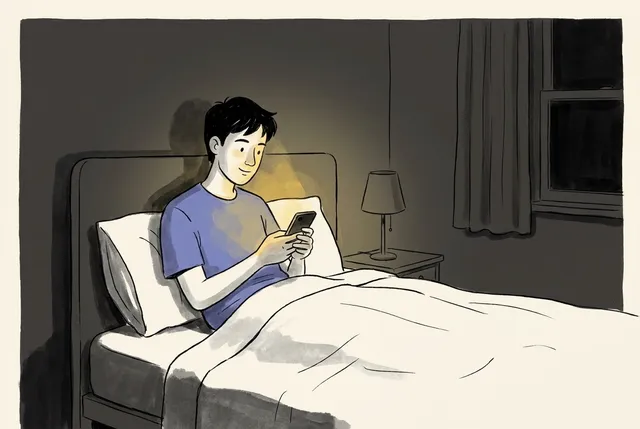
- No screens for an hour before bed; keep devices out of the bedroom.
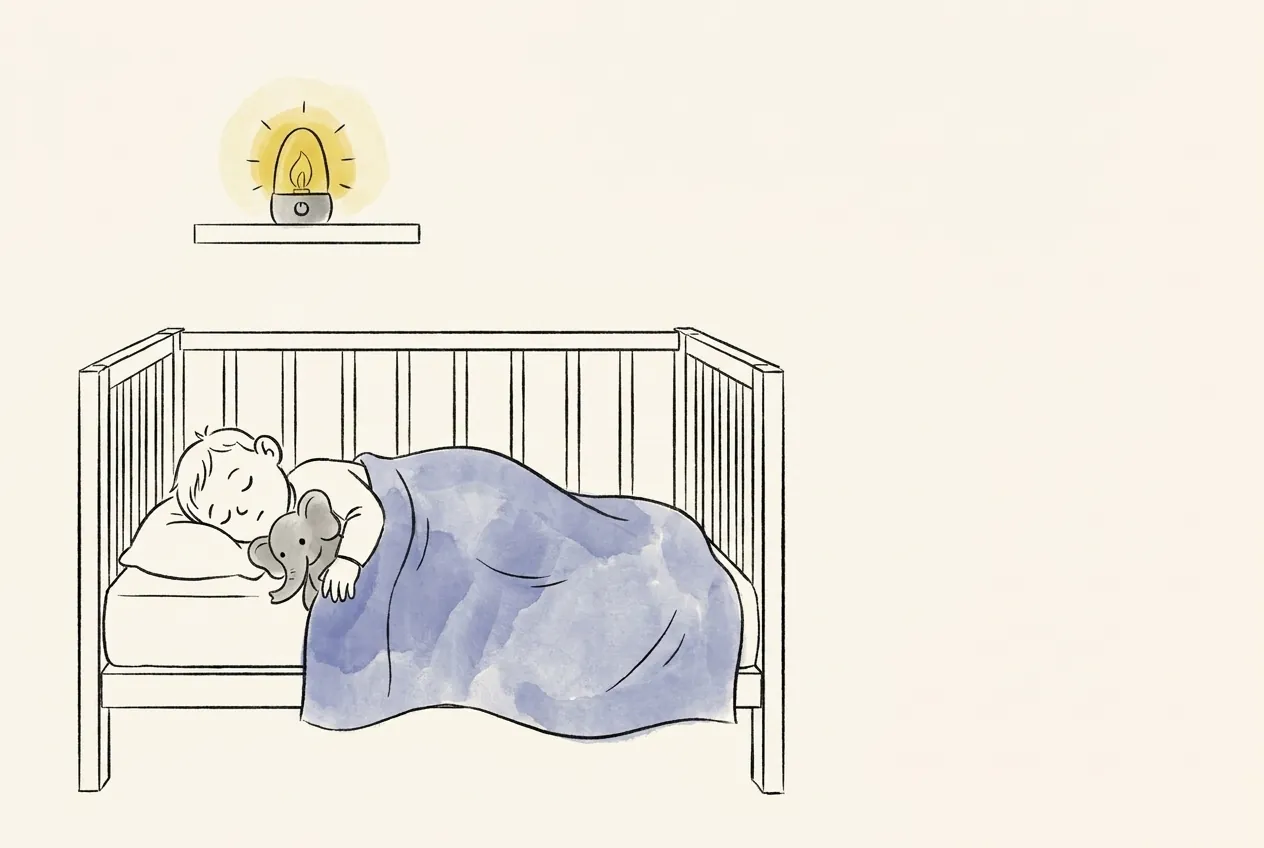
- A cool, dark, quiet room. A small night light is fine.
- Outdoor play and daylight during the day.
- For teens, talk about caffeine and energy drinks.
When should you see a doctor about your child’s sleep?
Talk to your pediatrician if your child snores loudly, stops breathing during sleep, is very sleepy during the day, or has night terrors or sleepwalking that worry you.
Frequently asked questions
Is sleep training harmful for babies?
Studies of behavioral sleep methods haven’t found long-term harm to attachment or emotional health. Choose a gentle method you can stay consistent with.
My teen can’t fall asleep before midnight. Is that normal?
Yes — puberty shifts the body clock later. Protect sleep by keeping phones out of the bedroom and keeping wake-up times similar on weekends.
Sources
- Paruthi, S., Brooks, L. J., D’Ambrosio, C., Hall, W. A. та ін. (2016). Recommended Amount of Sleep for Pediatric Populations: A Consensus Statement of the American Academy of Sleep Medicine. Journal of Clinical Sleep Medicine, 12(6), 785–786. doi:10.5664/jcsm.5866
- Mindell, J. A., Kuhn, B., Lewin, D. S., Meltzer, L. J., & Sadeh, A. (2006). Behavioral Treatment of Bedtime Problems and Night Wakings in Infants and Young Children. Sleep. doi:10.1093/sleep/29.10.1263
Evidence-based · Human-centered · Practical — how we write and fact-check our articles.
This article is for educational purposes and does not replace advice from a licensed professional. We cite original research and update articles when new evidence appears. Spotted an error? Let us know — see our editorial policy.
If you or someone you love is in crisis, call or text 988 (Suicide & Crisis Lifeline). Veterans: dial 988, then press 1.