Is social media bad for teens, and what can parents do?
Is social media harming teens? Research shows small average effects but bigger risks for some, especially girls. Learn the warning signs and what to do.
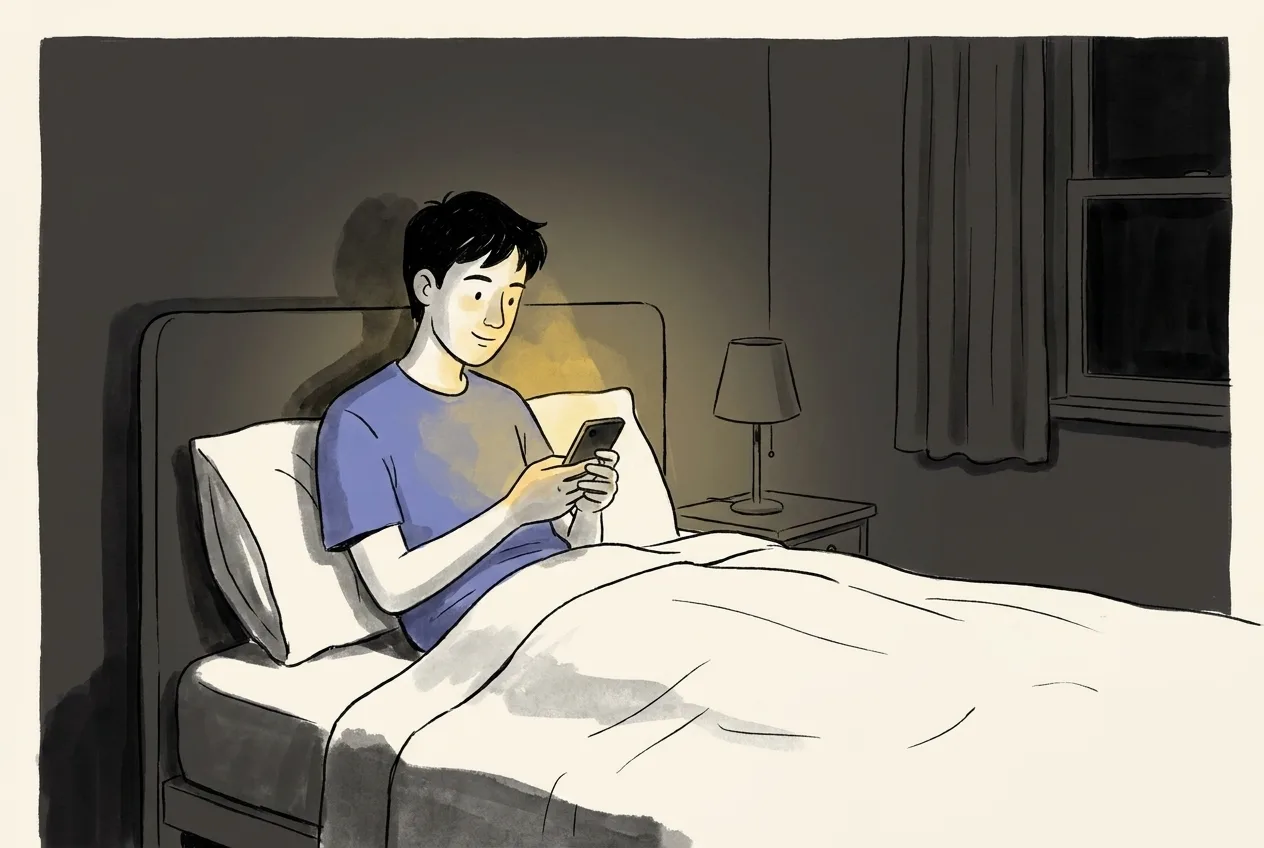
On average, the link between teens’ social media use and their well-being is small. But some teens are more vulnerable: heavy use is linked to more depressive symptoms, especially in girls, partly through cyberbullying, poor sleep, low self-esteem and body image concerns. Instead of focusing only on hours, parents can protect sleep, talk about what teens see online and watch for warning signs.
- Average effects of social media on well-being are small, but not zero for every teen.
- Girls who use social media heavily show more depressive symptoms.
- Sleep, online harassment and body image appear to be key pathways.
Your teen’s phone lights up until midnight. You’ve read headlines saying social media is causing a teen mental health crisis, and others saying it’s overblown. What does the evidence actually show?
How much does social media affect teens on average?
Amy Orben and Andrew Przybylski analyzed three large datasets with more than 350,000 adolescents in the US and UK 1. The link between digital technology use and well-being was negative but very small — about as strong as the link between well-being and eating potatoes. On average, screen time alone doesn’t explain much about how teens are doing.
Why are some teens more at risk from social media?
Yvonne Kelly and colleagues studied about 11,000 British 14-year-olds 2. Heavier social media use was linked to more depressive symptoms, and the link was stronger for girls. Much of it ran through four pathways:
- online harassment and cyberbullying;
- poor sleep;
- low self-esteem;
- body image concerns.
In 2023, the US Surgeon General issued an advisory urging caution about youth social media use, calling for more research and stronger protections.
What can parents do about teens and social media?
- Protect sleep. Phones charge outside the bedroom overnight. This may be the single most useful rule.
- Delay and phase in. Start later, with fewer platforms and privacy settings on.
- Talk, don’t just police. Ask what they enjoy, who they follow, what makes them feel bad.
- Discuss filters and comparison. Help teens see how edited and curated feeds are.
- Teach them to block and report harassment — and tell them they can always come to you without losing their phone.
- Model it. Put your own phone away at dinner.
What are warning signs social media is hurting your teen?
Withdrawal from family and friends, falling grades, trouble sleeping, secrecy about online activity, or talk of self-harm. If you’re worried, talk to your pediatrician or a therapist. In a crisis, call or text 988.
Frequently asked questions
At what age should my child get social media?
Most platforms require users to be at least 13. Many experts suggest waiting longer and starting with limited, supervised use.
Should I read my teen’s messages?
Secret monitoring can damage trust. Agree on rules openly — for example, phones charge outside the bedroom — and keep talking about what they see online.
Sources
- Orben, A., & Przybylski, A. K. (2019). The association between adolescent well-being and digital technology use. Nature Human Behaviour, 3(2), 173–182. doi:10.1038/s41562-018-0506-1
- Kelly, Y., Zilanawala, A., Booker, C., & Sacker, A. (2018). Social Media Use and Adolescent Mental Health: Findings From the UK Millennium Cohort Study. EClinicalMedicine, 6, 59–68. doi:10.1016/j.eclinm.2018.12.005
Evidence-based · Human-centered · Practical — how we write and fact-check our articles.
This article is for educational purposes and does not replace advice from a licensed professional. We cite original research and update articles when new evidence appears. Spotted an error? Let us know — see our editorial policy.
If you or someone you love is in crisis, call or text 988 (Suicide & Crisis Lifeline). Veterans: dial 988, then press 1.